Pregnancy Workouts at Home: 20 Safe Exercises to Stay Strong
Mar 02, 2026
Pregnancy Workouts at Home
Staying active during pregnancy is one of the best things you can do for your body and baby. At-home pregnancy workouts require no gym membership or expensive equipment, just a small amount of space and consistency.
These safe, low-impact exercises help reduce back pain, boost energy, improve mood, support healthy weight gain, and prepare your body for labor and postpartum recovery.
Always consult your doctor or midwife before starting any exercise program, especially if you have a high-risk pregnancy.
Benefits of Pregnancy Workouts at Home
- Ease common discomforts (back pain, swelling, fatigue).
- Improve posture, balance, and core stability.
- Support better sleep and mental well-being.
- Help manage healthy weight gain and lower risk of gestational diabetes.
- Build endurance and strength for labor and delivery.
- Speed up postpartum recovery.
Aim for at least 150 minutes of moderate activity per week (ACOG guideline), spread across most days.
Safety Guidelines for At-Home Pregnancy Exercise
- Use the talk test: you should be able to speak in full sentences.
- Stay hydrated and avoid overheating.
- Avoid lying flat on your back after the first trimester.
- Stop immediately if you feel dizzy, short of breath, have pain, bleeding, or contractions.
- Focus on form over intensity and never hold your breath.
- Modify or skip any move that causes abdominal coning or pelvic pressure.
Safe Pregnancy Exercises by Trimester
First Trimester
Energy may fluctuate. Focus on building a foundation with gentle strength and light cardio.
Recommended: marching in place, bodyweight squats, wall push-ups, pelvic tilts, and bird dog.
Second Trimester
Many women feel strongest now. Emphasize stability and strength.
Recommended: supported squats, modified planks (incline), seated or standing leg lifts, prenatal yoga flows, and Kegels. Pregactive 'Hug and Wrap' technique is ideal for a strong core.
Third Trimester
Prioritize comfort, mobility, and labor preparation.
Recommended: wide-stance supported squats, side-lying leg lifts, seated marching, birth-ball circles, and gentle hip openers.
Top 20 Safe Pregnancy Exercises at Home
1. Brisk Walking / Marching in Place
Low-impact cardio that boosts circulation, elevates mood, and maintains cardiovascular fitness. Do it indoors or outdoors for 20-30 minutes.
2. Bodyweight Squats (or Sumo Squats)
Strengthens legs, glutes, and pelvic floor. Great for labor preparation. Hold onto a chair for balance in later trimesters.
3. Wall Push-Ups
Targets chest, shoulders, and arms without putting pressure on the core. Excellent upper-body strengthener.
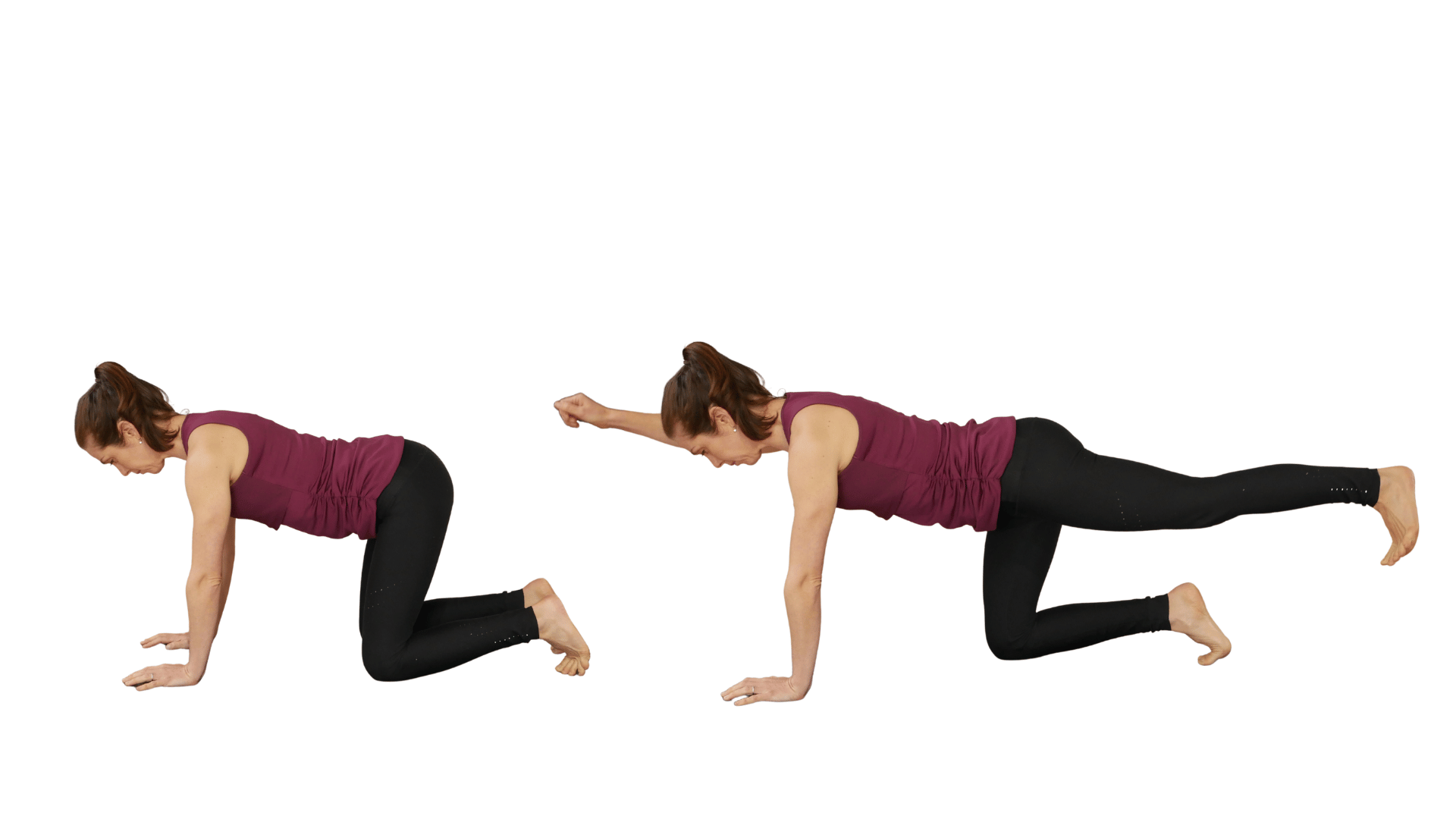
4. Bird Dog
Improves core stability, balance, and back strength. Extend opposite arm and leg while on all fours. Modify range as belly grows.
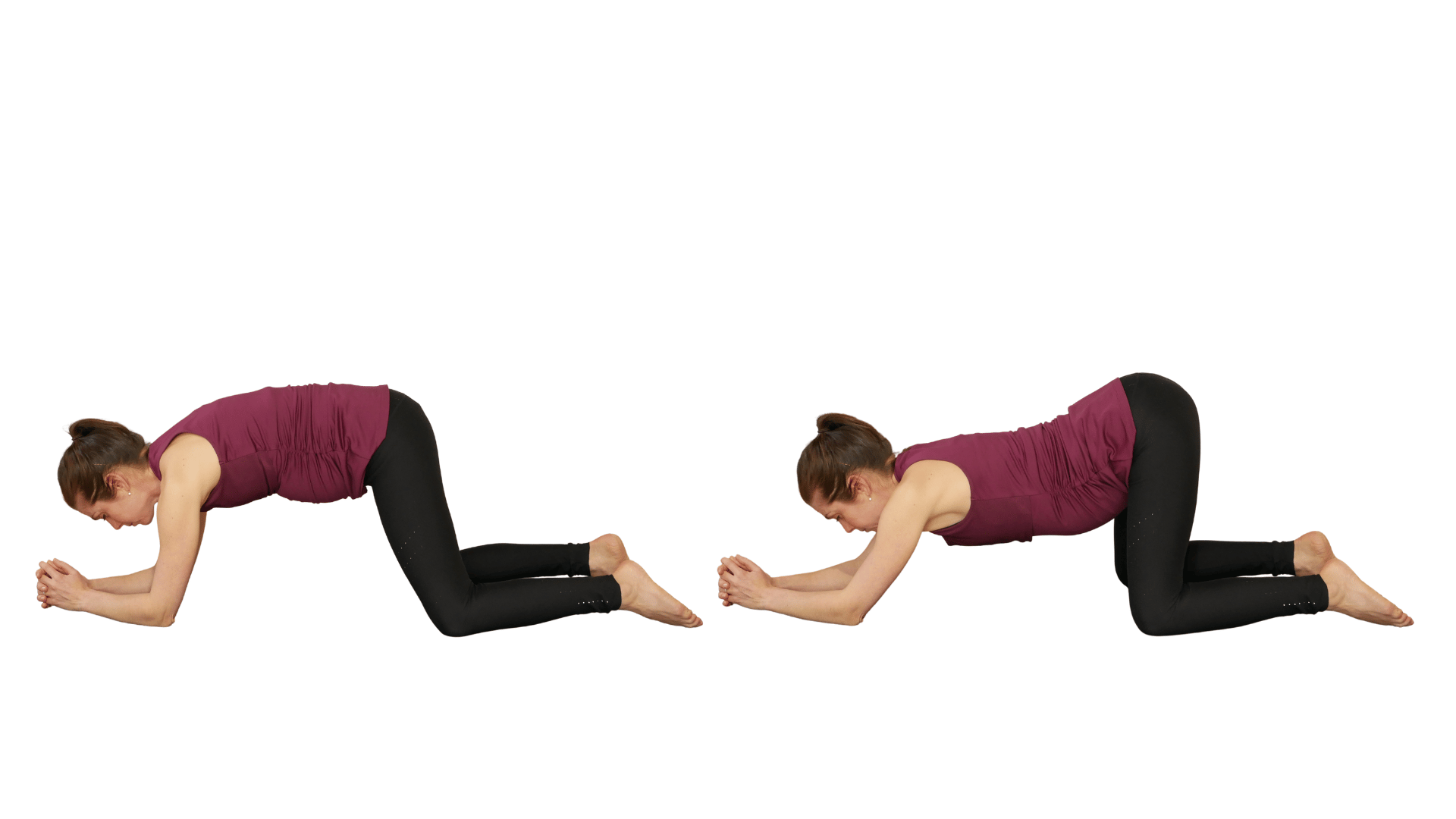
5. Pelvic Tilts (on all fours or standing)
Relieves pregnancy lower back pain and strengthens deep core muscles. Gentle and effective throughout all trimesters.
6. Kegel Exercises (Pelvic Floor Contractions)
Essential for bladder control, labor, and postpartum recovery. Contract and release pelvic floor muscles - do them anywhere.
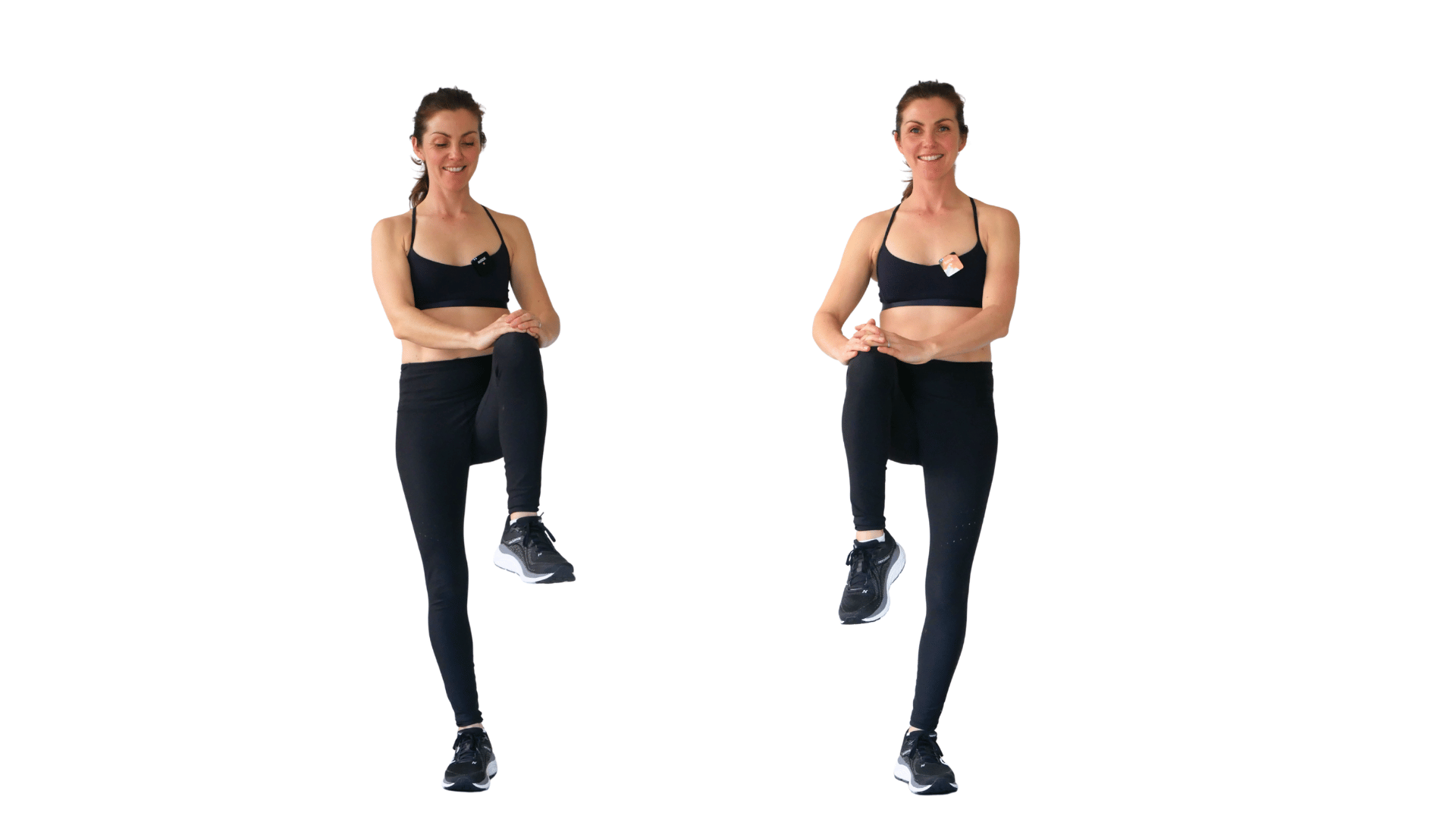
7. Seated or Standing Knee Lifts / Marching
Gentle cardio that engages core and hip flexors with minimal impact.
8. Clamshells
Strengthens glutes and hips to support pelvic stability and ease delivery.
9. 360 Degree Breathing / Diaphragmatic Breathing
One of the most important prenatal core exercises. Promotes proper breathing for labor and pelvic floor coordination.
10. Cat-Cow Pose (Modified)
Gentle spinal mobility stretch that relieves back tension. Avoid deep arching in later pregnancy.
11. Hip Circles (on all fours or standing)
Improves hip mobility and helps relieve tightness in the lower back and hips.
12. Wall Angels or Arm Circles
Opens chest and shoulders while improving posture, which often suffers as your bump grows.
13. Side-Lying Leg Lifts
Strengthens outer hips and glutes. Lie on your side with knees slightly bent for comfort.
14. Heel Slides
Gentle core activation while lying on your back (only in first trimester or with doctor approval after).
15. Seated Leg Extensions
Strengthens quadriceps while seated - perfect for desk workers or when energy is low.
16. Prenatal Glute Bridges (Modified)
Builds glute and hamstring strength with minimal back strain. Keep range small in third trimester.
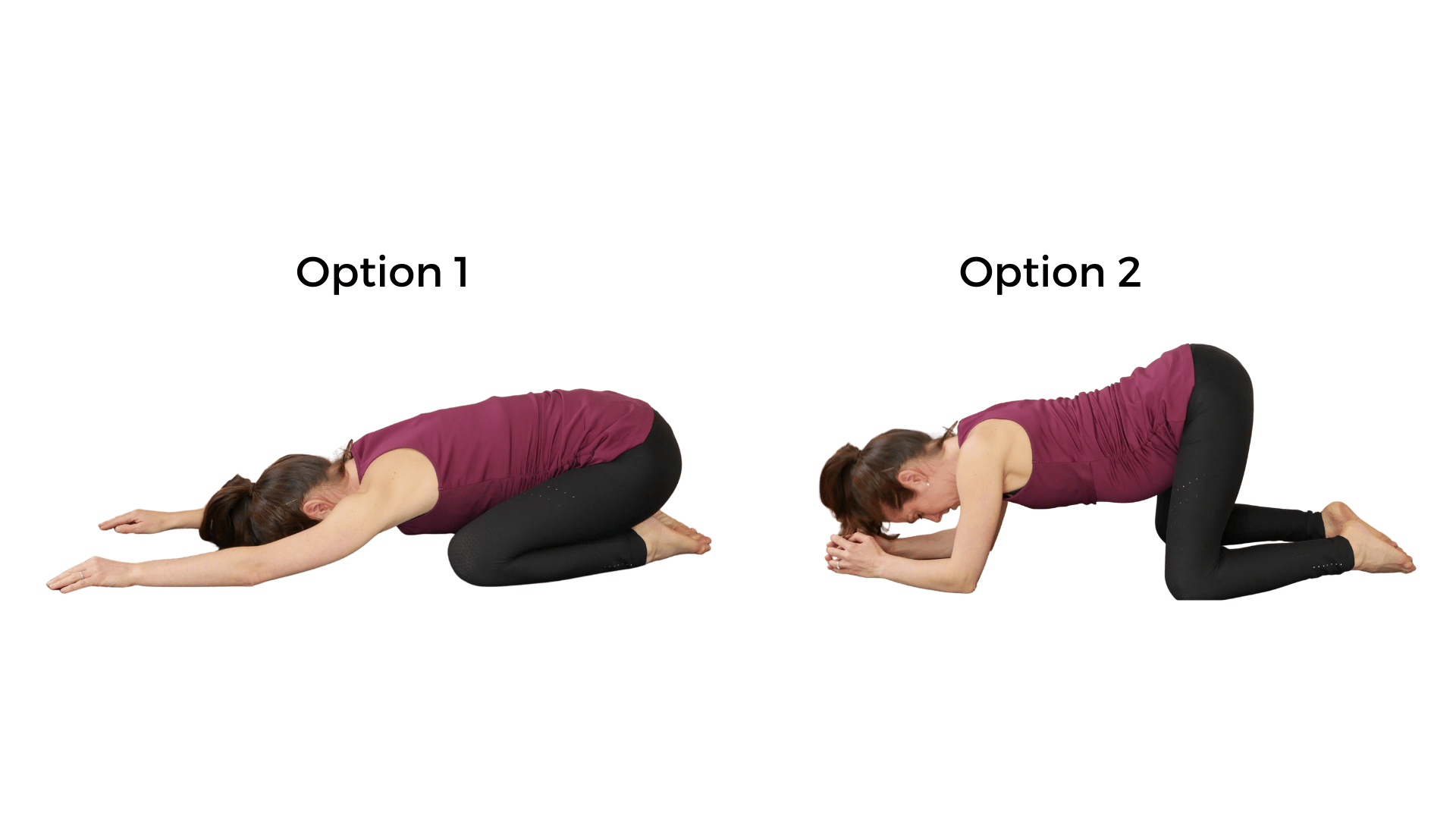
17. Child's Pose (Wide Knees)
Restorative stretch that opens hips and relieves lower back and shoulder tension.
18. Standing Calf Raises
Strengthens calves and improves circulation to reduce swelling in legs and feet.
19. Modified Plank (Knee or Wall Plank)
Builds core endurance safely. Use forearms on a wall or knees on the floor.
20. Deep Squat Hold (Supported)
Opens hips and strengthens lower body. Hold onto a sturdy chair or doorframe for support, especially useful in the third trimester.
Sample 20-30 Minute At-Home Pregnancy Workout
Warm-up (5 minutes)
Marching in place + arm circles + gentle neck rolls
Circuit (repeat 2-3 rounds)
- Bodyweight Squats - 10-15 reps
- Wall Push-Ups - 10-12 reps
- Bird Dog - 8-10 per side
- Pelvic Tilts or Kegels - 10-15 reps
- Seated Knee Lifts - 20 per side
Cool-down (5 minutes)
Deep breathing, modified child's pose, and gentle hip stretches
Tips for Success
- Start with shorter sessions if you're new to exercise.
- Use a sturdy chair or wall for support as your belly grows.
- Stay consistent but flexible, some days a short walk is enough.
- Pair movement with good nutrition and rest.
- Track how you feel and adjust intensity as needed.
Pregnancy workouts at home are convenient, effective, and empowering.
They help you feel stronger and more confident through every stage of pregnancy. Choose movements that feel good, listen to your body, and celebrate the progress you make for both you and your baby.
Best No-Equipment Pregnancy Workouts at Home
Here are proven, pregnancy-safe exercises you can do anywhere:
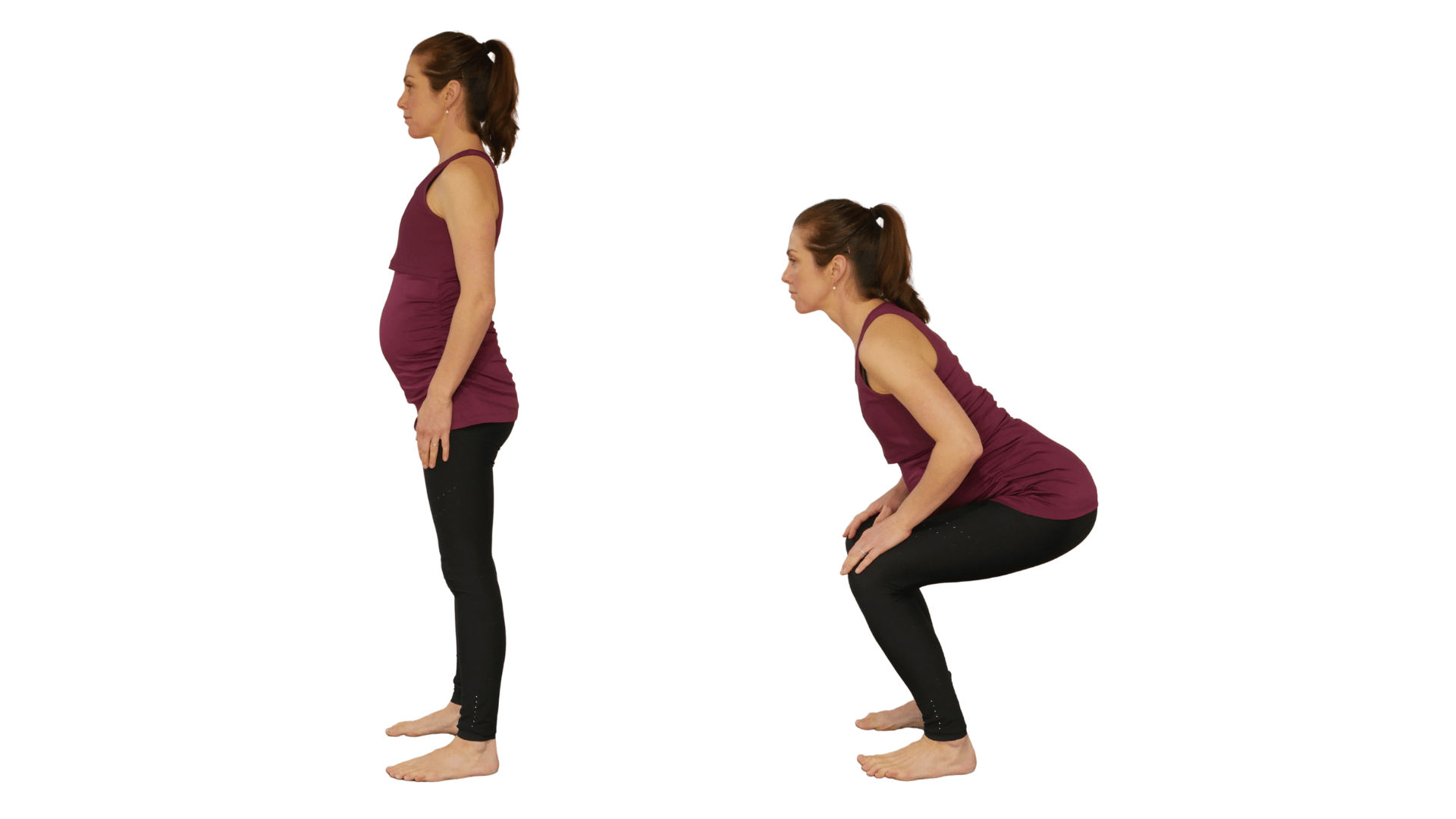
1. Bodyweight Squats - Strengthen legs, glutes, and core. Stand with feet hip-width apart, lower as if sitting back into a chair, then rise. Great for all trimesters; hold onto a chair for support in later months. Aim for 10-15 reps.
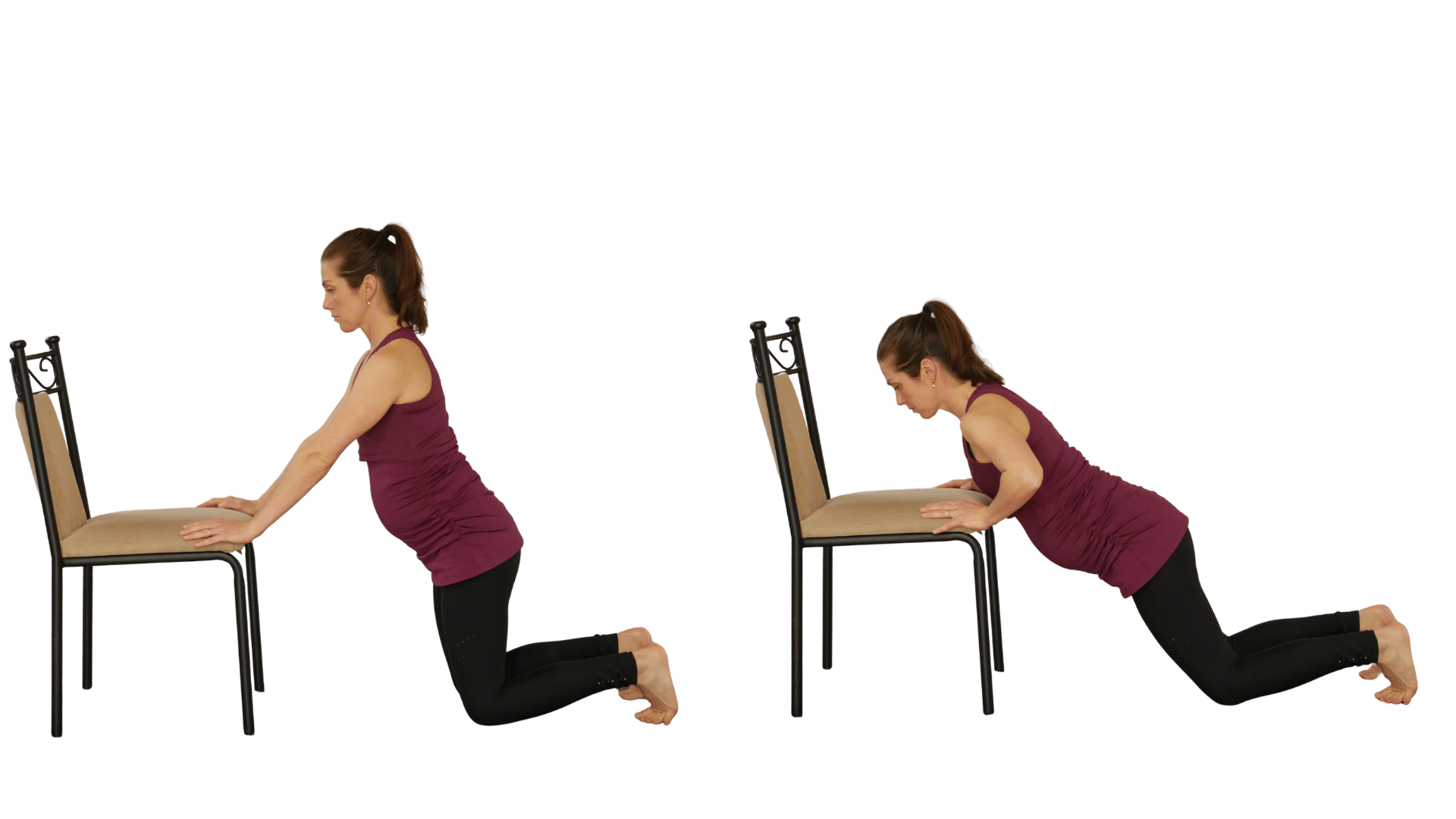
2. Wall Push-Ups (or chair) - Target chest, shoulders, and arms without straining your core. Face a wall, place hands shoulder-width, bend elbows to lower your chest, then push back. Excellent upper-body strengthener.
3. Bird Dog - Improves balance, core stability, and back strength. On all fours, extend one arm forward and opposite leg back. Hold briefly, then switch sides. Modify by keeping movements smaller as your belly grows.
4. Pelvic Tilts and Kegels - Essential for pelvic floor health. Tilt your pelvis gently while standing or on all fours. Combine with Kegel exercises (contract and release pelvic floor muscles) to support bladder control and labor preparation.
5. Seated Knee Lifts or Marching in Place - Low-impact cardio that elevates your heart rate safely. Add arm circles or gentle marches for a full-body warm-up.
6. Prenatal Yoga-Inspired Stretches - Cat-cow (modified), child's pose (widened knees), and hip openers relieve tension and improve flexibility.
Consistent Exercise
Regular prenatal exercise can reduce pregnancy back pain, boost energy, improve mood, help manage weight gain, prepare your body for labor, and even shorten recovery time postpartum.
Chat to Your Doctor
Always consult your healthcare provider before starting any pregnancy workout routine at home, especially if you have complications or weren't active pre-pregnancy.
Listen to your body
Stop if you feel dizzy, short of breath, or experience pain. Stay hydrated, avoid overheating, and never exercise to exhaustion.
Postpartum recovery
Maintaining fitness helps you bounce back faster. Focus on low-impact, pregnancy-safe moves like walking in place, bodyweight strength training, prenatal yoga, and pelvic floor work.
Avoid high-impact activities, contact sports, exercises lying flat on your back (after the first trimester), heavy lifting, or anything with fall risk.
Free Pregnancy Workout Guide

Free Lower Body Pregnancy Workout

Free Upper Body Pregnancy Workout

First Trimester Pregnancy Yoga Workout
First Trimester Workout
Strengthens legs and glutes.
1. Wall Push-Ups: Face a wall, hands shoulder-width, bend elbows to lower chest toward wall, push back.
Builds upper body without floor pressure.
2. Pelvic Tilts: On all fours or standing against a wall, gently rock pelvis to flatten back. Helps with posture and core awareness.
3. Bird Dog: On hands and knees, extend opposite arm and leg, hold briefly. Enhances balance and core stability. Aim for 3-4 sessions per week, 20-30 minutes each.
Second Trimester: Maintain Strength and Mobility (Weeks 13-26)
Your bump grows, so modify for comfort. Energy often returns-capitalize on it!
1. Prenatal Yoga Flows: Include cat-cow poses, child's pose, and gentle hip openers. Improves flexibility and reduces stress.
2. Seated or Standing Leg Lifts: Sit or stand, lift one leg forward or sideways. Targets hips and thighs without impact.
3. Kegels (Pelvic Floor Exercises): Contract as if stopping urine flow, hold 5-10 seconds, release. Do 10-20 reps daily essential for bladder control and labor.
4. Modified Planks: Use forearms on an incline (like a couch) or wall. Strengthens core safely.
5. Squats with Support: Hold a chair for balance, add calf raises at the top. Incorporate 30-minute sessions 4-5 days a week, mixing cardio and strength.
Third Trimester: Focus on Preparation and Comfort (Weeks 27+)
Prioritize low-impact moves, breathing, and labor prep as mobility decreases.
1. Pelvic Floor and Deep Squats: Wide stance, lower slowly (use support if needed). Opens hips and strengthens perineum.
2. Seated Marching or Knee Lifts: Sit tall, alternate lifting knees. Maintains cardio gently.
3. Prenatal Stretches: Hip flexor stretches, seated forward bends, and shoulder rolls relieve tension.
4. Birth Ball Exercises: Sit on an exercise ball for gentle bouncing or circles. Eases back pain and encourage optimal baby positioning.
5. Side-Lying Leg Lifts: Lie on your side, lift top leg slowly. Targets glutes and hips. Keep sessions shorter (15-25 minutes) and more frequent if comfortable.
Pregnancy Pilates for First Trimester: Safe and Effective
Tips for Safe At-Home Workouts
1. Aim for 150 minutes of moderate activity per week, as recommended by health experts.
2. Focus on form and breath - exhale on effort and never hold your breath.
3. Stay hydrated by drinking water when pregnant and listen to your body. Reduce intensity in the first trimester if experiencing nausea and prioritize mobility and pelvic floor work in the third trimester.
4. Combine strength moves with short cardio sessions and daily pelvic floor exercises for balanced prenatal fitness.
These pregnancy exercises at home require little to no equipment and can be easily modified for every trimester. Incorporate them into short 20–30 minute routines to stay strong, reduce discomfort, and prepare for birth.
PregActive - Best Overall Pregnancy Workout App
PregActive tops the list as the #1 medically recommended app, trusted by 60,000+ moms and OBGYNs worldwide. It delivers trimester-specific programs (1st, 2nd, 3rd) with yoga, Pilates, HIIT, strength, pelvic floor work, and birth preparation - no equipment needed.
PregActive YouTube - Best Free YouTube Option
Visit PregActive YouTube Channel | Free
Targeted videos for strength, Pilates, and body parts. No signup needed for budget-friendly basics.
Source:
ACOG Guidelines
According to the American College of Obstetricians and Gynecologists (ACOG), healthy pregnant women with uncomplicated pregnancies should aim for at least 150 minutes of moderate-intensity aerobic activity per week, plus muscle-strengthening exercises.
Sources:
ACOG Physical Activity and Exercise During Pregnancy and the Postpartum Period
Article review: Article updated and reviewed by Kerryn Boyle on 14/09/2026.
Author