Breathing Techniques for Labour: How to Breathe Through Each Stage
May 14, 2026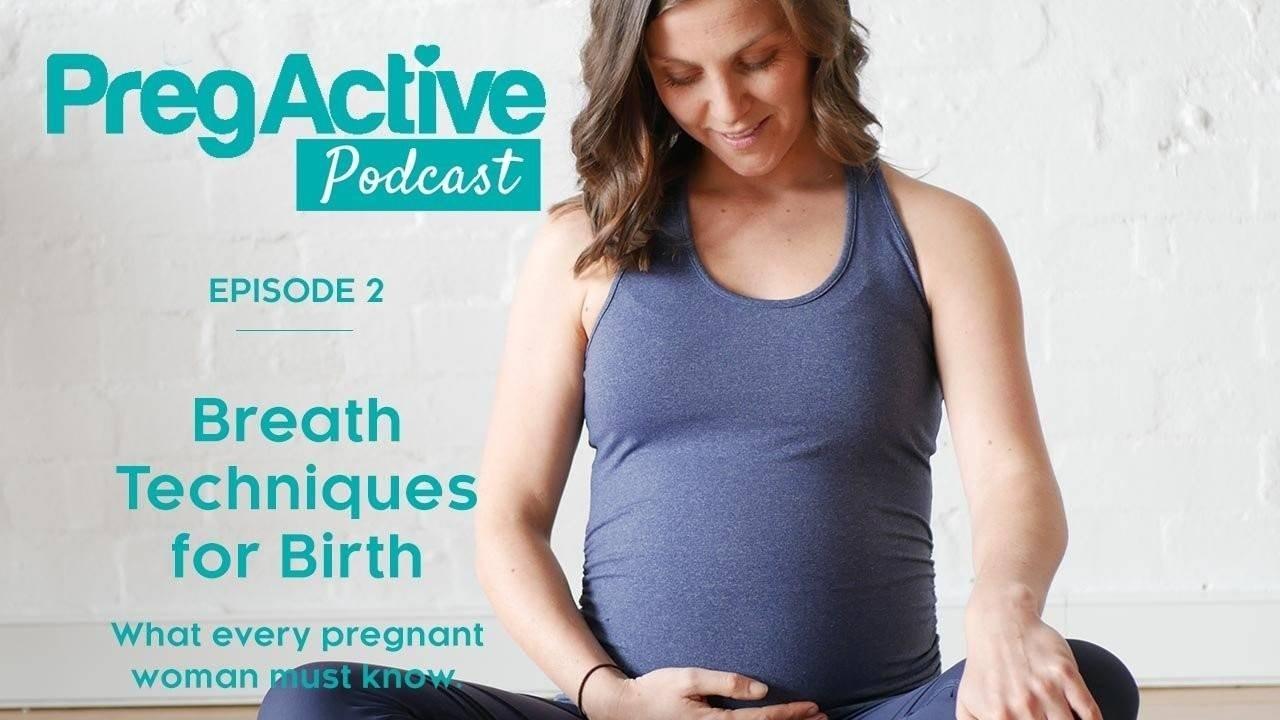
Breathing Techniques for Labour: Breathe Easier through Contractions
Labour breathing techniques are patterned ways to breathe through contractions so you stay calmer, keep oxygen moving, and avoid panic-breathing. There is no single 'best' method.
Most people use a slow breath in early labour (in for about 4, out longer), a steady or slightly faster rhythm in active labour, and an exhale-down breath when it is time to push, not a long breath-hold.
A cleansing breath at the start and end of each contraction helps you reset. Practise in pregnancy so the pattern is automatic when labour is loud.
WHO includes breathing as a non-drug comfort tool in labour. Reviews suggest breathing in the first stage can ease pain scores and may shorten the pushing stage a little, it does not guarantee a shorter birth or no pain relief.
What are the best breathing techniques for labour?
The best technique is the one that keeps you from holding your breath or spiralling into short, high, panicked gasps. Use slow diaphragmatic or 360° breathing while contractions are manageable.
Switch to a counted or patterned rhythm when slow breathing is not enough. Add a low sound (ah / oh) if your jaw and pelvic floor are gripping.
For birth, follow your care team: many now prefer an open-glottis push (exhale and bear down) over a long held purple-face push.
Lamaze, Bradley, and hypnobirthing all teach versions of this.
Research does not crown one brand the winner. A longer, softer exhale plus a rhythm you can remember beats a perfect textbook pattern you forget at 7 cm.
How does breathing help during labour?
A slow, longer exhale tells your nervous system this is not a sprint. Shoulders, jaw, and pelvic floor often let go a little, the places that make a contraction feel sharper when they brace. Focused breathing also gives you something to do for the 45-90 seconds of a surge.
Breathing can:
- Slow a panic spiral.
- Keep oxygen moving to you and the baby.
- Reduce how tightly you grip the pelvic floor.
- Shorten the sense of 'how long is this one?'
- Pair with movement, water, and your partner's voice.
It is a coping tool. It is not a promise of a painless labour.
| Stage | Breath to try | Job |
|---|---|---|
| Early labour | In about 4, out 6–8. Nose in, soft mouth out. | Calm the nervous system and save energy. |
| Active labour | Counted rhythm, e.g. in 2 / out 3. | Give the mind a job at the peak of a contraction. |
| Transition | Short steady breaths + low 'ah' or 'oh'. | Ride the wave without locking the pelvic floor. |
| Pushing | In, then a long exhale down and forward. | Work with the urge, not a long held purple-face push — unless your team coaches otherwise. |
How do you breathe through contractions?
When the surge starts, take one cleansing breath in through the nose, out through the mouth.
Drop into your practised rhythm. Keep the exhale longer than the inhale if you can.
Soften jaw, hands, and shoulders on every out-breath.
If you panic, blow out through pursed lips or hum a low sound, then return to the count.
When it ends, another cleansing breath, sip of water, rest.
Do not stare at the clock. Count breaths: 'three more of these and this one is done.'
Contractions have a shape. They rise, peak, and go. Your job is the peak, not the whole night at once.
Breathing techniques for early labour
Early labour is often the longest phase. Contractions build. You may still talk, walk, snack, or rest at home.
The breath:
- slow 360° breathing.
- Sit, stand, or lean forward. Hands on lower ribs if that helps.
- Inhale through the nose for a count of 4. Let ribs, back, and belly widen a little, not a huge chest gulp.
- Exhale through a soft mouth for 6–8. Longer out-breath.
- On the exhale, drop shoulders, unclench fists, loosen the jaw.
- Between contractions, breathe normally. Rest.
This is the same 360° breath used in PregActive sessions.
You are not learning a party trick in the birth suite. You are using a skill you already trained.
If 4 and 8 feel forced, use any slow count that stays quiet. The shape matters more than the numbers.
Breathing techniques for active labour and transition
Active labour is when you can no longer chat through a contraction. Transition is often the shortest, loudest stretch before you push.
The breath:
- Patterned or counted breathing, then low sound if you need it.
- Cleansing breath as it starts.
- Move to a repeatable rhythm: in 2, out 3 - or in 3, out 3.
- Keep breaths smaller if a deep inhale makes you tense. Steady beats deep.
- At the peak, do not hold. Keep the count tiny and even.
- Low 'ahhh' or 'ohhh' on the exhale if your throat is tight. High, thin sounds often mean the jaw is locked. Drop the pitch.
- Cleansing breath when it fades.
- If you feel the urge to push before you are fully ready.
Your team may ask you to pant or blow to ride the urge. Short breaths out through the mouth “blow out the candle” can help you not push yet. Follow the person watching the birth, not a blog.
Panic pattern to interrupt: shoulders at your ears, breath stuck at the top, eyes wide. Fix: one long blow, then back to the count. Let your partner say the numbers if your brain has left the building.
How to breathe when pushing
When you have the urge and your team says it is time, you do not have to hold your breath for a ten-count and turn purple unless they specifically coach that.
Open-glottis / J-shaped breath (often preferred now):
- Inhale through the nose.
- As you exhale, send the breath down and forward as if the air curves through the pelvis, not up into your face.
- Bear down with that exhale. Keep the sound low.
- Breathe again between efforts. Do not lock the throat for the whole contraction if you can help it.
A long held Valsalva push can spike pressure and make you dizzy. Some births still use coached held pushes. Your clinician's view of this baby, this position, and this monitor reading wins.
Practise the idea in late pregnancy on the toilet or in a supported squat: exhale, let the pelvic floor yield, do not grip. Never strain hard to 'rehearse' a baby out.
How to practise labour breathing in pregnancy
Practise when you are calm, or the skill will not show up when you are not.
Weeks - 12: 360° breath in your 12-minute sessions. Inhale wide, exhale Hug & Wrap without bearing down.
From the second trimester: add contraction drills. Set a timer for 60 seconds. Breathe the early-labour pattern. Rest 2-3 minutes. Repeat 5 times. That is one “wave set.”
From about week 34: add a few gentle pushing breaths, long exhale, pelvic floor softening, only if your provider is happy with pelvic-floor work.
Practise with your partner. Their job is the count, water, and 'shoulders down,' not a TED Talk.
Practise in the positions you may labour in: leaning on a bench, on all fours, side-lying, in the shower. Breath that only works on a yoga mat is a fragile plan.
Two minutes a day beats one long class you never repeat.
Breathing vs hypnobirthing vs Lamaze
They overlap more than marketing suggests.
Lamaze: cleansing breath, slow breath, then lighter patterned breath as intensity rises.
Hypnobirthing: calm breath for early labour, wave breath for surges, birth breath for pushing.
PregActive / 360° approach: the same wide inhale and longer exhale, tied to pelvic floor yield and pressure control you already use in training.
Pick one language so your partner is not mixing three scripts. The body only needs: slow when you can, rhythm when you cannot, exhale down when you push.
The PregActive Difference: Breathe → Lift → Wrap → Move
Our signature Hug & Wrap Technique rewires how your body manages intra-abdominal pressure. This protects your pelvic floor, supports your growing belly, reduces back and pelvic pain, and builds real strength that carries into birth and recovery.
Results most members notice:
- Noticeable pelvic & back pain relief within 7–14 days.
- Reduced leaking and coning.
- Greater confidence moving through pregnancy.
- Better preparation for labor and faster postpartum recovery.
When breathing is not enough
Say so. Breathing is one tool next to movement, water, TENS, sterile water injections, gas, an epidural, or a rest in a different position.
Needing more support is not a failed birth plan.
Stop a home practice and call your care line if you have bleeding you have been told to report, a sudden severe headache, chest pain, or your baby’s movement pattern changes. Labour breathing does not replace clinical care.
FAQ
What is the best breathing technique for labour?
Slow breathing with a longer exhale in early labour, a counted rhythm in active labour, and an exhale-down push when you are fully ready. The best one is the one you will actually use.
How do I breathe through contractions?
Cleansing breath, practised rhythm, soften the jaw on the exhale, cleansing breath at the end. Count breaths instead of minutes.
Should I hold my breath when I push?
Often no. Many teams prefer a long exhale as you bear down. Follow the person at the birth.
When should I start practising?
Now, if you are pregnant. The early-labour breath is the same 360° breath you can train in short pregnancy sessions.
Does breathing make labour shorter or less painful?
It can take the edge off and may shorten pushing a little in some studies. It will not erase labour.
Your Next step
If you already use PregActive 12, you have the foundation: 360° breath, Hug & Wrap, pelvic floor lift and release. Layer the contraction timer onto that. That is birth prep inside the same 12 minutes, not a separate personality.
Education only. Get personal advice from your midwife or obstetrician, especially if your pregnancy is high risk or you have been told to modify pelvic-floor or breath work.
Pregnancy brings excitement, anticipation, and often anxiety about labour.
One of the most powerful tools at your disposal is something you already do instinctively: breathing.
Learning the right breathing techniques for labour can reduce pain, manage stress, promote relaxation, and support a more positive, empowered birth experience.
It's kind of funny right, we go to yoga to learn how to breath. But isn't breathing part of our nature, our survival? In this post I want to share two videos and a podcast with you the best breathing techniques for labor.
Also, I have some great videos below on the best birthing positions so be sure to keep reading.
Watch a new born baby, their little body moves as they breathe, you see the belly rise and fall with their quick little breaths.
But somewhere along the way to adulthood, many of us loose the skill to breathe deeply.
Worried about how to breathe in labor?
You know how to breathe. You do it every day. Every minute. Every second.
But purposeful breathing to help to stimulate the relaxation response, to assist your body to progress through labor.
Why Proper Breathing Matters During Labour
Breathing isn't just automatic - it becomes a superpower in labour.
Deep, intentional breaths:
1. Stimulate the relaxation response and lower stress hormones
2. Deliver vital oxygen to you and your baby
3. Help your body progress by keeping muscles relaxed
4. Reduce tension, fear, and the urge to hold your breath (which can slow labour)
5. Support better pelvic floor function and core stability throughout pregnancy
Shallow breathing often creeps in with daily stress. Reconnecting with your natural, deep belly breath prepares you physically and mentally for birth.
Top 3 Pregactive Breathing Techniques for Labour
1. Vocal Toning (Low Deep Tones)
Use vowel sounds (A, E, I, O, U) in a low, resonant tone during contractions. This keeps your body open, signals safety to your nervous system, and prevents high-pitched tension that triggers fight-or-flight.
Practise in the car or private space, it feels odd at first but becomes incredibly effective. Many PregActive mums credit this for staying calm and progressing smoothly.
2. Counting Breath Pattern
Inhale for a count of 4, exhale for 6 (or whatever feels comfortable). This rhythmic pattern calms the mind, conserves energy between contractions, and helps you stay focused.
Adjust counts to suit your lung capacity, there are no strict rules. The goal is relaxation, not perfection.
3. Wave Breath / Visualisation
Imagine riding ocean waves: inhale as the wave lifts you to the peak of the contraction, then exhale smoothly as you glide down, directing energy toward your baby.
Alternative visuals include filling and releasing a balloon or a powerful lion’s roar. This technique shines during intense contractions.
Breathing Tips for Different Stages of Labour
Early Labour:
1. Slow, deep belly breaths to stay relaxed.
2. Active Labour: Combine counting with vocal toning.
3. Transition - Pushing: Use gentle 'fairy breaths' or light panting to ease crowning and prevent tearing.
4. Between Contractions: Return to calming patterns to recharge.
Practise daily during pregnancy so these techniques become second nature. Involve your birth partner so they can guide you or breathe with you.
How to Breathe in Labor Video
Video 2 on Breathing during Labor
Today I am chatting about labor breathing techniques. Why do you need this? Because correct breathing is important during childbirth. Your entire birth experience will be more empowering if you learn the tools and tips to get you through this amazing experience.
Learn the top three breathing techniques that our PregActive Mamas use to help them during pregnancy and into labour and the birth of their baby. By doing this you will enjoy a more empowered birth experience.
Click below to listen to my Podcast
Start Your Empowered Birth Journey Today
Download the PregActive app or listen to our full podcast for guided audio sessions. Combine these techniques with prenatal exercise, optimal birthing positions, and pelvic floor awareness for the best results.
You already know how to breathe. Now it’s time to make it powerful. Your calmer, stronger, more confident birth awaits.
Sources:
World Health Organization. WHO recommendations: intrapartum care for a positive childbirth experience. Geneva: WHO; 2018. Recommendation 21: relaxation techniques including breathing for labour pain, according to the woman’s preference.
American College of Obstetricians and Gynecologists. Committee Opinion No. 766. Approaches to Limit Intervention During Labor and Birth. Obstet Gynecol. 2019. Nonpharmacologic pain coping; when not coached otherwise, women often push with an open glottis; use the pushing method she prefers.
ACOG. First and Second Stage Labor Management. Clinical Practice Guideline. 2024. (Labour stages, pain relief options, use for “follow your team,” not as a breathing how-to.)
Article review: Article updated and reviewed by Kerryn Boyle on 06/09/2026.
Author