10 Best Pregnancy Stretches for Back Pain, Hip Relief
Aug 11, 2020
Best Pregnancy Stretches
Gentle pregnancy stretches can ease lower-back pain, hip tightness, sciatica, and overall muscle tension as your body changes. When performed safely, these moves improve posture, increase mobility, support better circulation, and help prepare the pelvis and muscles for labor. They work well in every trimester with simple modifications as I share in my Pregactive workouts.
Always check with your doctor or midwife before starting any new stretching routine, especially if you have a high-risk pregnancy or pelvic pain.
Why Stretching Helps During Pregnancy
Pregnancy hormones (especially relaxin) loosen ligaments, while the growing belly shifts your center of gravity. This often leads to tight hips, rounded shoulders, and back discomfort.
Regular, controlled stretching can:
- Reduce common aches in the lower back, hips, and glutes.
- Improve posture and mobility.
- Support circulation and reduce swelling.
- Promote relaxation and better sleep.
- Gently open the pelvis to aid labor preparation.
- Contribute to smoother postpartum recovery.
- Helps release tension caused by the relaxin hormone.
- Prepares muscles and joints for labor and delivery.
- Promotes better sleep, circulation, and relaxation.
- Supports faster postpartum recovery.
Stretch after light activity or a warm-up. Hold each stretch 20–30 seconds, breathe steadily, and stop at mild tension, never push into pain. Avoid bouncing.
Safety Guidelines for Pregnancy Stretches
- Do Warm up first with gentle walking or marching.
- Modify positions as your belly grows.
- Use props (pillows, chairs, towels) for support.
- Focus on controlled, slow movements.
- Listen to your body and rest when needed.
Avoid or modify:
- Lying flat on your back for long periods after the first trimester (can reduce blood flow).
- Lying on your stomach.
- Deep twists that compress the belly.
- Overstretching (relaxin increases injury risk).
- Any stretch that causes pain, dizziness, or shortness of breath.
10 Best Safe Pregnancy Stretches
Perform these on a mat or sturdy surface. Use pillows or a chair for comfort as needed.
1. Seated Piriformis Stretch (targets sciatica and deep glute tension)
The piriformis muscle is deep in the buttocks and when is it tight, it can irritate the sciatic nerve. This stretch can help decrease sciatic pain.
- Sit on a chair with feet flat.
- Cross one ankle over the opposite knee.
- Keep your back tall and gently lean forward until you feel a stretch in the outer hip/buttock.
- Hold, then switch sides.

2. Modified Pigeon Pose
- From hands and knees, bring one knee forward between your hands.
- Extend the other leg back.
- Place a rolled towel or pillow under the front hip if needed.
- Lean forward gently over the front leg.
- Hold, then switch.
3. Hip Flexor Stretch
- Kneel on one knee with the other foot forward (90-degree angles).
- Shift weight gently forward until you feel a stretch in the front of the back hip.
- Keep the torso upright. Hold and switch sides.
4. Supported Forward Fold (Table or Chair Stretch)
- Stand facing a table or sturdy chair, feet wider than hips.
- Place hands on the surface and hinge at the hips, keeping the back long.
- Gently walk hips back until you feel a stretch through the lower back and hamstrings.
- Hold.

5. Cat-Cow Stretch
- On all fours (wrists under shoulders, knees under hips), inhale as you drop the belly and lift the chest (cow).
- Exhale as you round the spine and tuck the chin (cat).
- Move slowly with the breath for 8-10 rounds.
- Excellent for spinal mobility and lower-back relief.

6. Child's Pose Variation (Wide-Knee)
- Kneel with knees wide and big toes touching (or close).
- Sit back toward your heels and reach arms forward, resting the forehead on a pillow if needed.
- This gently opens the hips and lengthens the back.
7. Standing or Seated Side Stretch
- Stand or sit tall.
- Reach one arm overhead and lean gently to the opposite side.
- Keep both hips grounded.
- Hold, then switch. Helps counter rounded posture and side tightness.
8. Figure-4 Glute Stretch (Seated or Supine with Support)
- Sit or lie with support under the upper body.
- Cross one ankle over the opposite thigh.
- Gently press the crossed knee away or lean forward slightly.
- Switch sides.
9. Pelvic Tilts
- On all fours or standing against a wall.
- Gently rock the pelvis to flatten and then arch the lower back in a small controlled range.
- Builds awareness and eases lumbar tension.
10. Gentle Warrior I or Supported Lunge Stretch
- Step one foot forward into a shallow lunge, hands on hips or a chair for balance.
- Keep the back heel down or lifted as comfortable.
- Lengthen through the torso without forcing depth.
- Switch sides.
- Supports hip opening and leg strength.
Quick Tips for Maximum Benefit
- Practice most days for 5-15 minutes.
- Combine with pelvic-floor awareness and gentle core activation.
- Breathe deeply, exhale into the stretch.
- Use a foam roller carefully on larger muscle groups (glutes/hamstrings).
- Stop immediately if you feel sharp pain, contractions, or unusual symptoms.
Which Stretches I Should Avoid when Pregnant?
During your second and third trimester I want you to avoid the following:
1. Any stretches that require you to lay on your stomach.
2. Stretches that place too much strain on your belly. As your uterus grows, your abdominal muscles will begin to separate and weaken.
3. Stretches that require you to lay on your back for an extended period of time as this position can reduce blood flow to your uterus and can cause low blood pressure.
4. Don't twist! Avoid all poses that involve excessive twisting as they put too much stress on your growing belly.
Frequently Asked Questions
Are these stretches safe in the third trimester?
Yes, with modifications such as wider stances, more support, and avoiding deep compression of the belly. Many women find hip and back stretches especially helpful late in pregnancy.
Can stretching help with sciatica or pelvic girdle pain?
Targeted hip and piriformis stretches often provide relief, but severe or persistent pain should be assessed by a physiotherapist or doctor.
How is relaxin relevant?
This hormone increases joint mobility to prepare for birth. Stretch only to mild tension to avoid overstretching ligaments.
Should I stretch every day?
Daily gentle stretching is beneficial for most women when it feels good. Consistency matters more than intensity.
Incorporating these best pregnancy stretches into your routine can reduce discomfort, improve how you move, and help you feel more prepared for birth. Pair them with trimester-appropriate strength work, walking, or prenatal yoga for balanced results.
For guided, medically recommended prenatal movement programs that include safe stretches, explore options designed specifically for each stage of pregnancy. Always prioritize professional medical advice tailored to your individual needs.
Stretching Video
In this video I have below, you will learn about 10 essential prenatal stretches that can help you stay comfortable during pregnancy and prepare your body for labor.
Pregnancy can be a challenging time, physically and emotionally.
Many of us experience discomfort and tension in our bodies, which can make pregnancy and labor even more difficult.
Back Pain
Our backs ache from carrying the extra weight, our hips and pelvises shift to accommodate the growing baby, and our muscles get stiff from the constant changes.
As our bodies adapt to support our growing babies, we may feel like we're losing control over our own physicality.
Back Discomfort
This discomfort can affect not only our physical well-being but also our mental state. It's common to feel anxious, overwhelmed, or frustrated when our bodies don't feel like our own anymore.
And to make matters worse, this tension can actually make labor more challenging by causing our muscles to tighten up and resist the natural process of birth.
But what if I told you there's a way to take back control of your body and prepare it for labor?
Enter prenatal stretches!
These simple, yet powerful exercises can help alleviate discomfort, improve flexibility, and even empower you for childbirth.
We'll explore each of the 10 stretches, demonstrating how to perform them correctly and discussing their specific benefits for pregnancy and labor.
Body Changes
As we dive deeper into the stretches, you'll start to notice changes in your body and your mindset.
You'll feel more relaxed, more centered, and more in tune with your own needs. You might even find that you're sleeping better, eating healthier, and overall feeling more balanced and whole.
The stretches will become a source of comfort and strength for you, a reminder that your body is capable of amazing things.
And when labor arrives, you'll be ready and your body will be open, relaxed, and ready to do its thing.
To wrap up, we'll recap the benefits of these stretches and emphasize how they contribute to a smoother pregnancy and labor.
Warm-up
You should always conduct a thorough warm-up with light activity and movement, and you should always stretch following exercise.
To ensure you are getting the most benefit from your post-exercise stretching session, follow the tips below.
When you are pregnant, stretching can offer many benefits. It contributes to helping you relaxed, fit as well as physically preparing you for labor. Also, stretching may help ease some of the aches and pains you might be experiencing.
SUBSCRIBE TO MY Pregactive CHANNEL for FREE workouts >
What is Relaxin?
Relaxin is a hormone that's present in the body and during pregnancy, levels of relaxin increase. This hormone helps the body relax the cervix and ligaments during delivery.
Relaxin lubricates and loosens your joints and ligaments of the pelvis, which can allow you to overstretch in activities like yoga. The problem with this when you are pregnant is that if you over-stretch you can cause injury.
The level that you stretch is to think about stretching slightly less that what you did before you were pregnant. Now is not the time to push too hard.
Stretching Tips
1. Frequency
Make it a habit to stretch after each workout or prenatal class as the more you include stretching in your daily workouts the greater flexibility and range of movement you will experience.
2. Hold for 30 seconds
Your goal with each stretch is to hold the stretch for a minimum of 30 seconds as this will ensure you are getting maximum stretching benefits.
3. Learn to Relax
You will achieve maximum flexibility benefits when you are relaxed. And there is no physical or mental tension to inhibit your range of movement and prevent your muscles from stretching as effectively.
4. Avoid Bouncing
You should always avoid bouncing during stretching as it could overstretch the muscle and result in injury.
Take your time with each stretch and gradually move your body or the limb being stretched into the stretch position.
Hold the stretch as soon as you feel slight tension in the muscle as this will be the limit of the muscle's flexibility.
From guided weekly exercise workouts that only include safe pregnancy stretches, my online yoga classes, pelvic floor exercises to my innovative PregActive FIT workouts - my online program is for you!
5. Rest and Repeat
One repetition is beneficial, but performing several stretches for each muscle will help achieve maximum gain. This will take extra time but well worth it if you can make the time
6. Relax your breathing
As you stretch maintain your breathing as this will contribute to allowing you to stretch further. If you hold your breath your body will tend to tighten and tense up will tense up thus making stretching much harder.
7. No Pain - No Gain - Should NOT be Your Motto
If you experience pain when stretching, then you are pushing too hard or are using incorrect technique.
When you stretch you should experience a mild feeling of tension within the stretched muscle. If you push too hard and experience pain when stretching this will likely indicate injury or a muscle that has been overstretched.
8. Stretching at the Gym
If you are working out at the gym then you will often find a dedicated area with stretching mats.
This area is a good place to warm down. Just in today's era of maintaining personal distance please make sure you are away from the personal next to you.
Also, a lot of gyms display stretches on posters. Not all of these are suitable when pregnant so don't go trying a new stretch unless you know it is recommended for pregnant women.
Can stretching while pregnant hurt the baby?
As I consistently mention, you should try and avoid abdominal stretches as they are not necessary or safe for pregnant women. You do not need to stretch your abdominal muscles as your growing baby is doing that for you.
Can I stretch my back while pregnant?
It is not recommended that you stretch or exercise on your back after 16 weeks. Back pain during pregnancy is a horrible thing to experience and there are some stretches that may be of benefit to you.
Please consult with your Physical Therapist first before doing any stretches on your back.
Can twisting hurt my baby?
There is the potential for certain twisting stretches or movements to strain your abdominal muscles. Your ab muscles are already compromised as the belly stretches to accommodate the growing uterus.
These kinds of twists also limit the baby's space and can restrict blood flow to the uterus.
Gentle, open twists that do not compress the belly, or work too deeply into the lower spine are safe. The key is to include stretches that focus on mobilizing the upper part of your spine.
These stretches when performed correctly are beneficial during the second and third trimesters of pregnancy.
So, during pregnancy it's safe to practice twisting postures without compression.
4 Stretches Before Bed
Pregnant and tired? I want to share with you 4 prenatal stretches you can do before bed. Girl, I get you. It was me too and the thought of doing much at all before bed made me create this short and sweet routine just before bed.
And get this.. it's ON bed.
Best done in pj's of course.
Your back will thank you. Your hips will love you that bit more. And hey (no promises) but you might sleep better too.
There's so much happening physically and mentally for you in every stage of pregnancy
And as you may be well aware, waking in the morning may not be as rejuvenating as it once was.
If you have tightness or soreness in your body, doing these stretches is a beautiful way to assist.
In saying that - any pain in pregnancy is certainly something to get checked by your health care professional.
Here are my top 4 Prenatal Stretches Before Bed
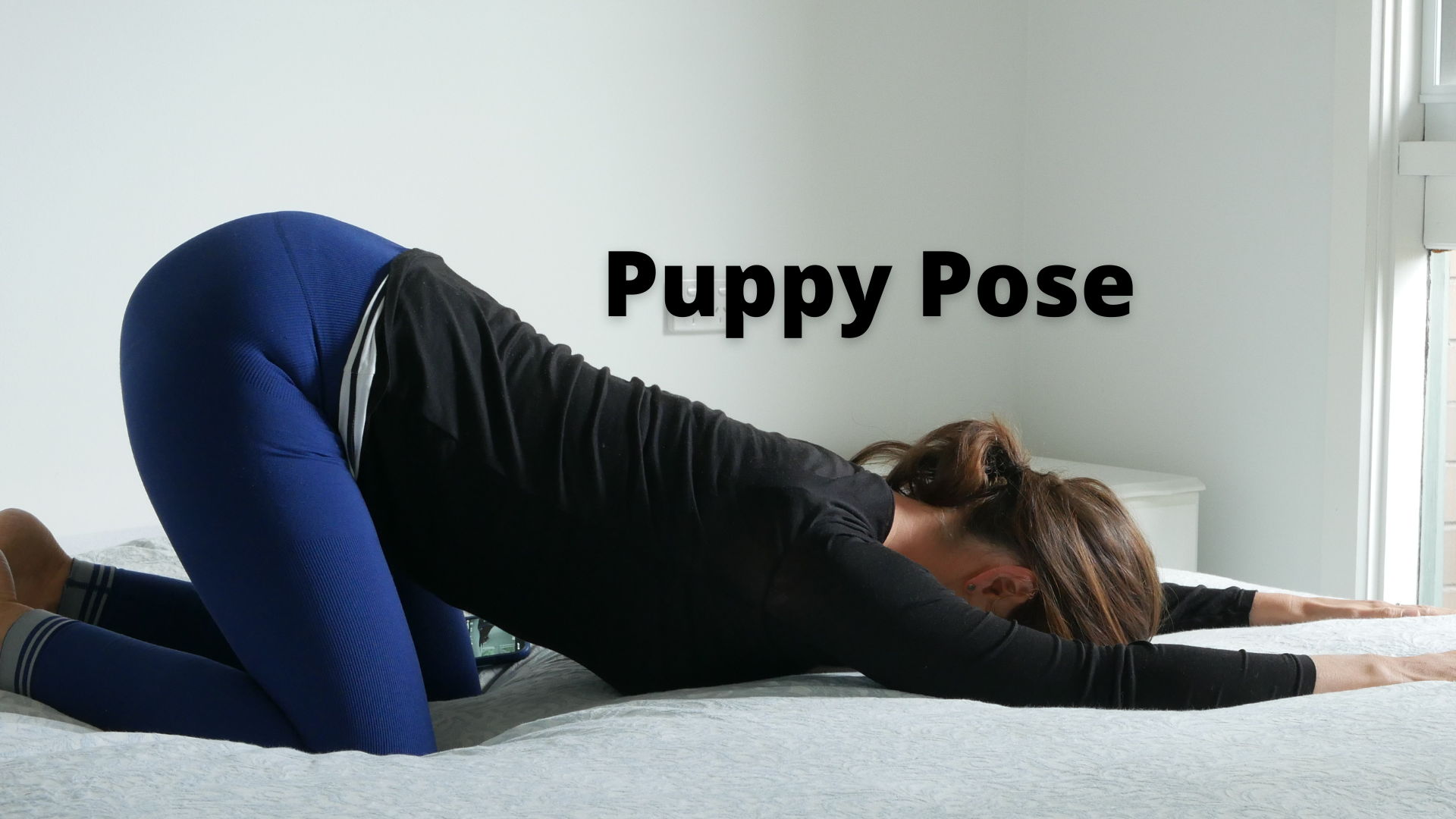
- Puppy pose
- Thread the needle
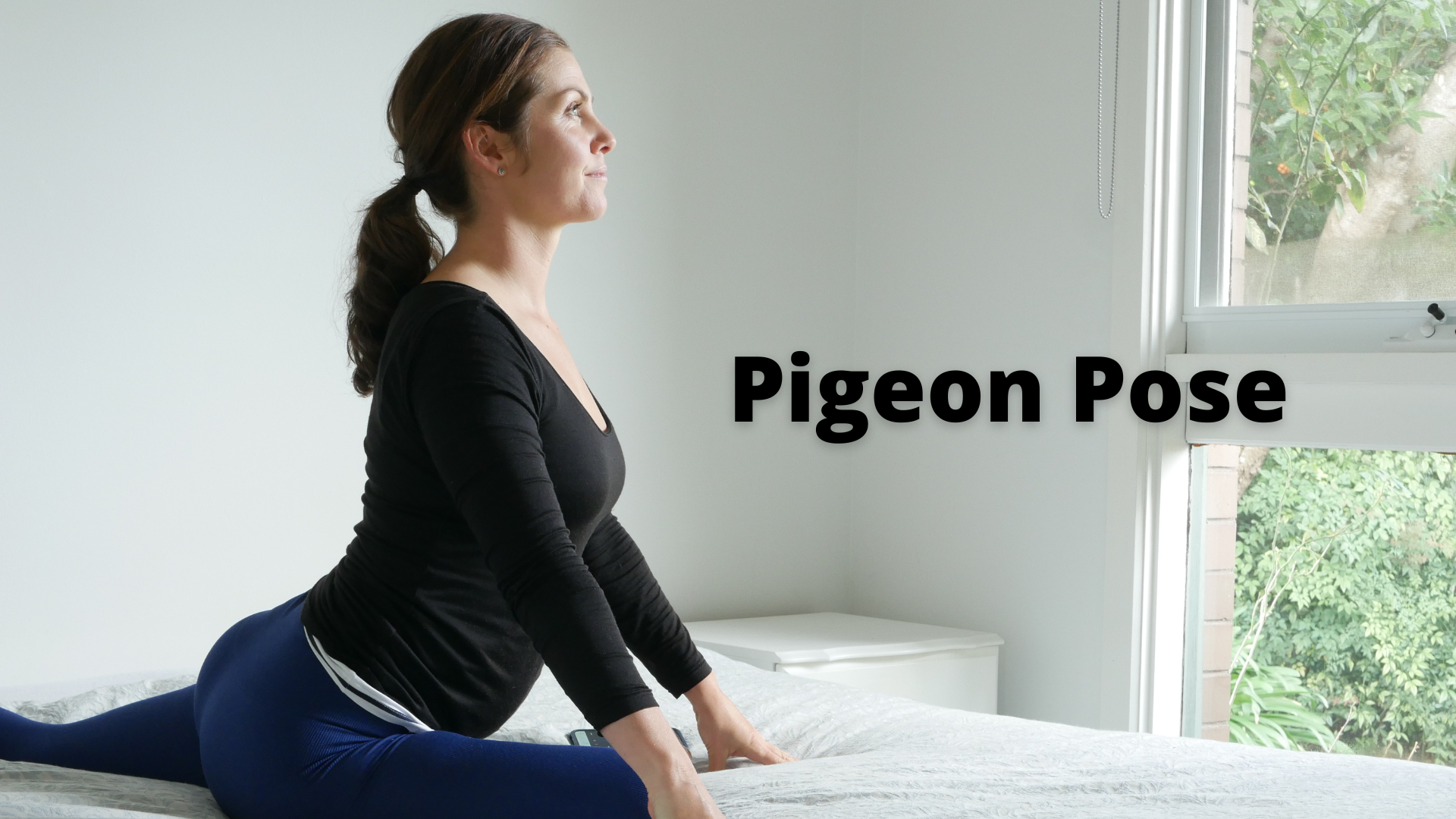
- Pigeon pose
- Child's pose
Let's dive into why these are my top four poses just before bed.
1. Stretch 1
Puppy pose is do good to stretch out your back and shoulders, certainly two areas that get tight in pregnancy. You can always just keep the elbows on the bed rather than stretching the hands all the way out.
2. Stretch 2
Thread the needle is the perfect rotational pose without compressing through the belly. You can always do a half rotation and not lower the shoulder down. Remember, listen to you and your body.

3. Stretch 3
Pigeon Pose is such a great release for your glutes. In pregnancy your glutes work overtime to keep you upright as your belly grows. I'm yet to meet a pregnant woman that hasn't benefited from doing some nice glute stretches - especially before bed!
4. Stretch 4
Childs pose, say no more - this is the ultimate rest pose. It's perfect to calm the mind and body. So sit back relax and enjoy.
Don't stay too long that you fall asleep there though! Tuck yourself into bed straight after for what is hopefully a restful sleep!

As with any fitness goal, or any goal at all really, it's all about taking that first step.
Thinking you'll do it later will only delay you reaping the benefits.
So start tonight.
No equipment needed. Nothing but YOU and your bed.
You will thank yourself for it.
Sources:
Mayo Clinic - Pregnancy stretches
ACOG – Exercise During Pregnancy (FAQ)
ACOG - Physical Activity and Exercise During Pregnancy and the Postpartum Period (Committee Opinion)
Article review: Article updated and reviewed by Kerryn Boyle on 10/09/2026.
Author