How to Relieve Pregnancy Back Pain Naturally | Best Exercises
May 11, 2026
How to Relieve Severe Back Pain During Pregnancy
Pregnancy back pain is one of the most common discomforts of pregnancy, affecting a large proportion of expectant mothers, particularly in the second and third trimesters. Meta-analyses report global prevalence of low back pain during pregnancy around 40–50%, with some studies of lumbopelvic pain estimating rates near 60% or higher.
The good news is that most cases respond well to conservative, non-drug approaches. Understanding the causes and using targeted exercises, posture strategies, and supportive measures can significantly reduce pain, improve function, and support a more comfortable pregnancy.
Pregnancy back pain affects up to 70% of expecting mothers, especially in the second and third trimesters. The good news? You can significantly reduce or even prevent it with the right strategies, safe exercises, and daily habits.
Why Does Back Pain Happen During Pregnancy?
Several interconnected physiological and biomechanical changes contribute:
1. Hormonal effects: Relaxin, progesterone, and estrogen increase ligament laxity in the pelvis and spine to prepare for birth. This can reduce joint stability and increase strain on supporting muscles.
2. Shift in center of gravity: As the uterus grows and weight is added anteriorly (typically 25-35 pounds in a healthy pregnancy), the spine experiences increased lumbar lordosis (swayback) and anterior pelvic tilt.
3. Muscle and core changes: Abdominal muscles stretch and may separate (diastasis recti). Weakened core and pelvic floor muscles place greater load on the lower back. Tight or imbalanced glutes and hip muscles often worsen the problem.
4. Posture and daily habits: Prolonged sitting or standing, poor lifting technique, and compensatory posture changes amplify strain.
5. Other factors: Pelvic girdle pain (PGP), sciatica-like symptoms (true sciatica is less common than SI joint or referred pain), stress-related muscle tension, and pre-existing back issues can play roles.
Pain often begins or intensifies in the second half of pregnancy but can appear earlier due to hormonal changes.
Evidence-Based Ways to Relieve Pregnancy Back Pain
Systematic reviews and clinical guidelines support multimodal conservative care as first-line. Exercise therapy, education, and physical supports show the strongest practical benefits for reducing pain and disability.
Proven Approaches Include:
1. Targeted prenatal exercise and stabilization
Strengthening the deep core, pelvic floor, glutes, and postural muscles improves stability. Water-based exercise is particularly helpful because buoyancy reduces joint load.
2. Prenatal yoga, Pilates, or physical therapy
Gentle, pregnancy-adapted programs improve flexibility, posture, and muscle balance. Specific moves like pelvic tilts are frequently recommended.
3. Support belts and proper positioning
Maternity or sacroiliac support belts can reduce pain for some women by stabilizing the pelvis. Side-lying sleep with a pregnancy pillow between the knees and under the belly helps maintain spinal alignment.
4. Heat, cold, and relaxation
Some of our Pregactive mamas have told me that applying heat and cold to their back has helped. If your doctor approves, start by putting cold compresses on the painful area for up to 20 minutes several times a day.
Cold packs initially (for acute inflammation) followed by warm compresses (avoid heat on the abdomen) can ease muscle tension. Progressive muscle relaxation shows benefits in some studies.
5. Acupuncture
Moderate-quality evidence indicates acupuncture (performed by a practitioner experienced in pregnancy) can reduce low back and pelvic pain, sometimes more effectively than exercise alone for evening symptoms.
Studies have shown that acupuncture can be effective in relieving low back pain during pregnancy. Check with your health care provider if you're interested and only see a practitioner who is qualified for pregnant women.
6. Posture and daily habit adjustments
Avoid high heels, prolonged static positions, heavy lifting, and traditional abdominal crunches after the first trimester.
Always check with your healthcare provider before starting new exercises or therapies, especially if you have complications.
I have an entire dedicated section in my online program to showing you how to, and how not to pick up items. You see, slouching and using poor lifting technique strains your spine. Using proper posture when working, sitting, or sleeping is a good move.
How to Prevent Lower Back Pain
1. Avoid standing on concrete or hard surfaces for long periods of time.
2. Sit in a supportive chair, do not slouch.
3. Stand with correct posture.
4. Sit with correct posture to prevent back pain during pregnancy.
5. Avoid bending or reaching and twisting at the same time.
6. Avoid reaching when lifting an object and keep load close to your body.
7. Position your computer screen at eye level.
8. Avoid using a laptop while sitting on the couch.
9. Use a wide stance when lifting.
10. Distribute the load to avoid carrying one big load.
Quick Daily 10-Minute Back Pain Relief Routine
Perform these gently 2-3 times daily (or as comfortable). Stop if you feel sharp pain, dizziness, or other concerning symptoms. Breathe steadily and engage the pelvic floor lightly.
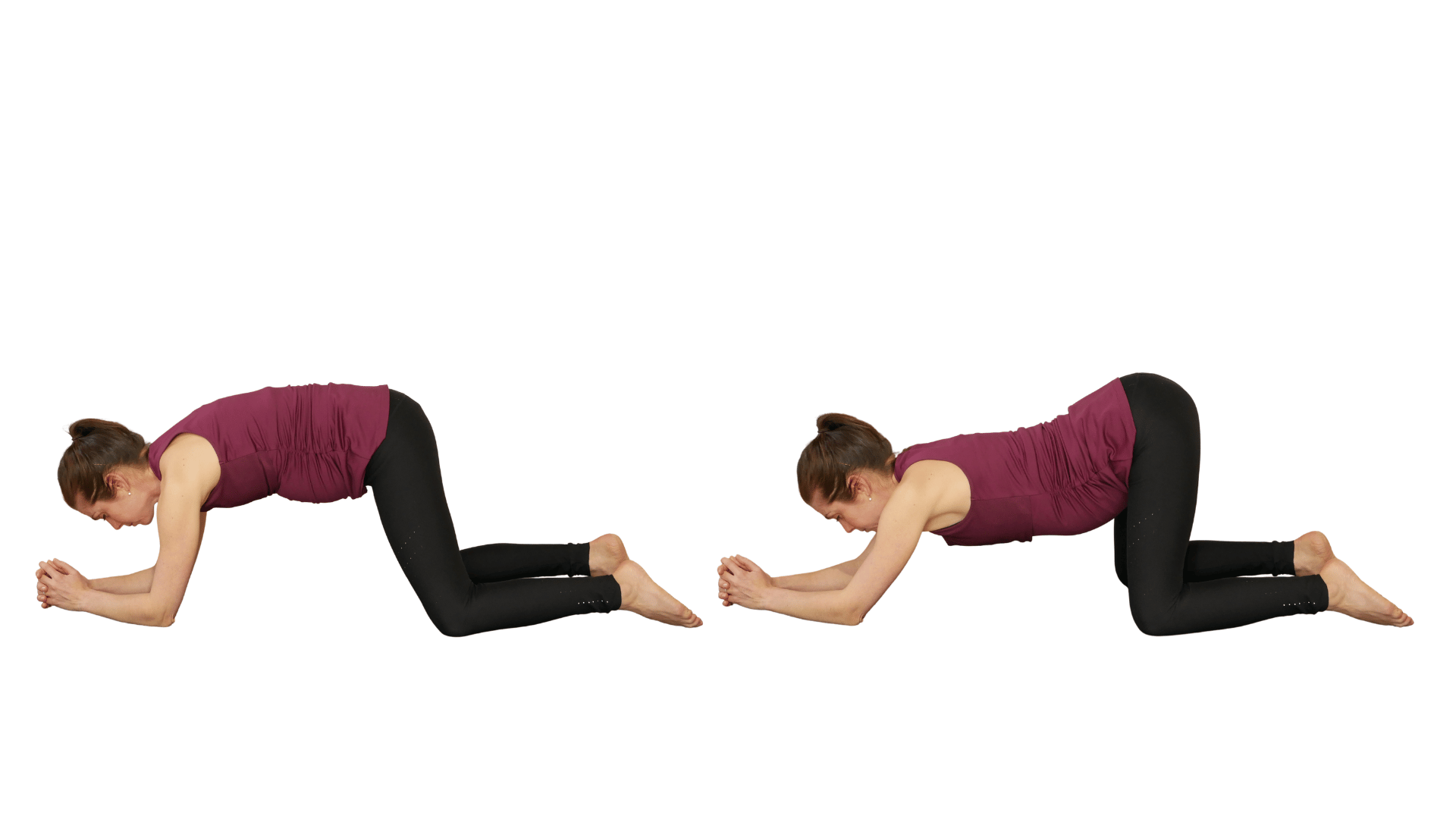
1. Cat-Cow (on hands and knees)
Inhale to arch the back gently (cow); exhale to round the spine (cat). 8–10 slow repetitions. Mobilizes the spine and eases stiffness.
2. Pelvic Tilts
Lie on your back with knees bent (or sit/stand if preferred later in pregnancy). Gently flatten the lower back against the floor by tilting the pelvis, then release. 10–15 repetitions. Strengthens deep abdominals and reduces lumbar strain.
3. Glute Bridges
Lie on your back, knees bent, feet flat. Squeeze the glutes and lift the hips, keeping the spine neutral. Lower slowly. 8–12 repetitions. Activates glutes that support the pelvis and lower back.
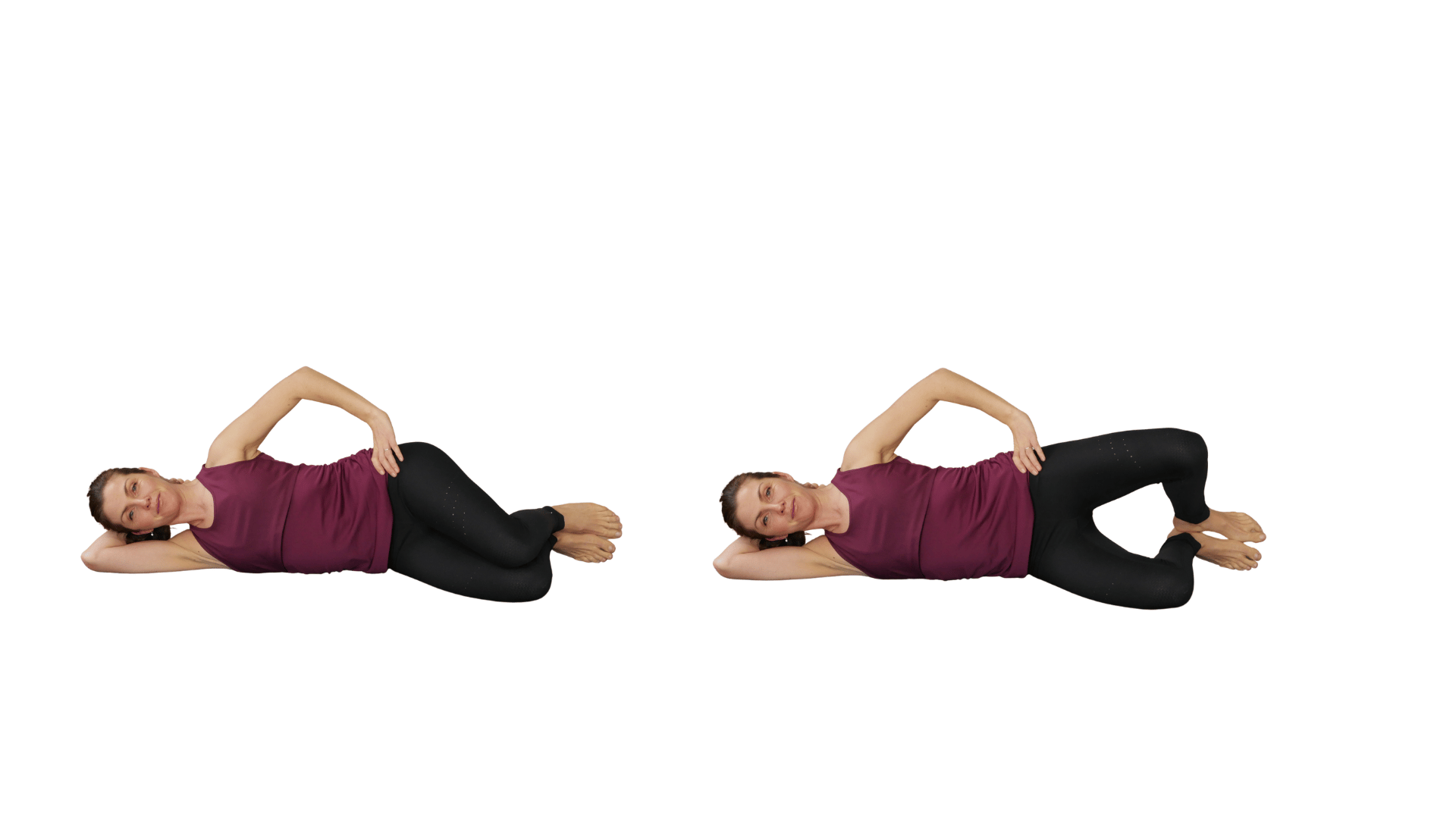
4. Side-Lying Clamshells
Lie on your side with knees bent. Keep feet together and open the top knee like a clam (without rolling the pelvis). 10–12 per side. Targets hip stabilizers.
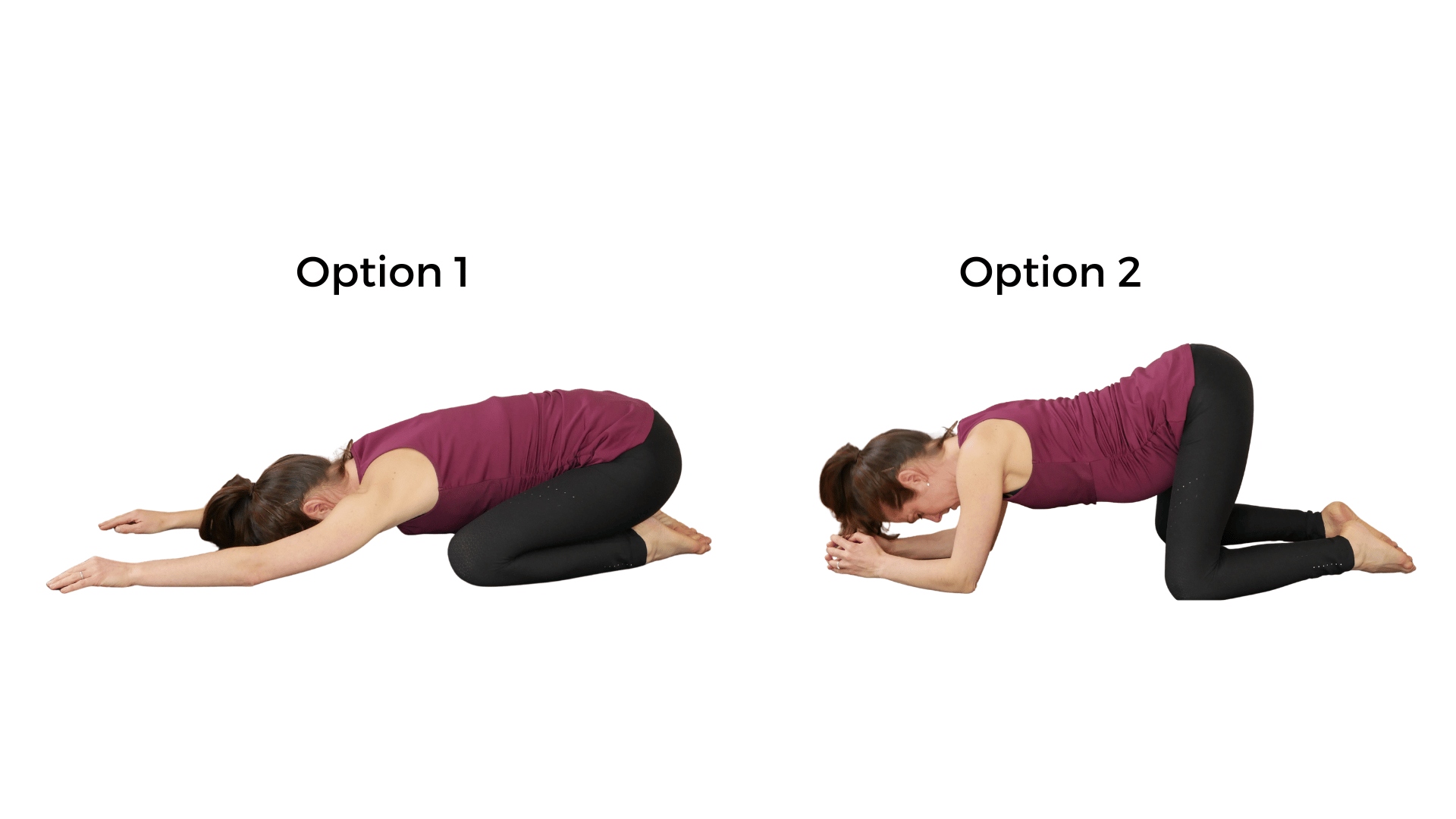
5. Child’s Pose or Seated Forward Fold variation (modified)
Gentle hip and lower back stretch. Use pillows for support as needed.
Additional helpful moves: seated figure-4 (glute stretch), seated side stretches, and gentle lower back twists (avoid forcing rotation).
Aquatic options: Water walking, gentle leg lifts, or prenatal aqua classes reduce load while building strength and offering pain relief.
What to Avoid and Red Flags
Avoid:
- High heels and unsupportive shoes.
- Sitting or standing longer than 20–30 minutes without changing position.
- Traditional sit-ups/crunches after ~12 weeks.
- Heavy lifting (bend at the knees, keep loads close).
- Prolonged supine (flat on back) positions later in pregnancy.
Seek medical care promptly if you experience:
- Pain radiating down the legs with numbness, tingling, or weakness.
- Changes in bowel or bladder function.
- Sudden severe pain, rhythmic cramping, vaginal bleeding, or contractions.
- Headache with facial/hand swelling (possible preeclampsia warning).
- Pain that is progressively worsening or begins abruptly.
True disc herniation is uncommon in pregnancy; most back pain is musculoskeletal.
Prevention Tips for Lower Back Pain
- Maintain good posture: ears over shoulders, shoulders over hips; use lumbar support when sitting.
- Strengthen core and glutes early and consistently with pregnancy-safe programs.
- Stay active with walking, swimming, or prenatal classes.
- Use proper body mechanics for everyday tasks.
- Manage weight gain within recommended ranges and address stress.
- Consider a supportive mattress and pregnancy pillow for sleep.
Takeaway
Your pregnancy back pain is common but manageable with evidence-based strategies centered on exercise, posture, support, and lifestyle adjustments. Early intervention often prevents pain from becoming severe or lingering postpartum. My first trimester workouts will help you to strengthen your back.
Consult your obstetric provider or a prenatal physical therapist for personalized guidance, especially if pain interferes with daily life.
With consistent, safe movement and smart habits, many expectant mothers significantly reduce discomfort and stay stronger through pregnancy and beyond.
Important Safety Notes:
Learn what to avoid (high heels, heavy lifting, traditional crunches, prolonged supine positions) and key red flags that require immediate medical attention.
Whether you're dealing with lower back pain, upper back tightness, or sciatica, these evidence-based tips and exercises will help you stay active, improve posture, reduce discomfort, and prepare for labor and postpartum recovery.
Ready to eliminate pregnancy back pain for good? Join thousands of moms on pregactive.com for complete trimester-specific workout programs, pelvic floor training, prenatal Pilates, and expert-guided routines designed to keep you strong and pain-free.
Pregnancy Back Pain is Common
Pregnancy back pain is a common concern among expectant mothers, often resulting from the natural changes the body undergoes during this time.
Can you prevent pregnancy back pain is a question I hear all the time. The answer is yes! I know how debilitating, frustrating and life-changing it can be when pregnant.
As your baby grows, the center of gravity shifts, and the added weight can put a strain on your back.
Hormonal changes also play a role, as they cause ligaments and joints to relax and stretch in preparation for childbirth, sometimes leading to instability and pain.
Know the Causes of Back Pain
Understanding these causes is crucial for managing discomfort and ensuring both mother and child's health.
The impacts of pregnancy-related back pain can extend beyond physical symptoms, affecting daily activities and mental well-being.
Women may find it challenging to maintain a healthy level of physical activity, which is essential for a healthy pregnancy.
It's important to address back pain through safe pregnancy exercises and workouts that can alleviate discomfort and improve overall pregnancy experience.
You have enough on your mind with work, planning for baby's arrival, dealing with other body changes, nausea, attending appointments and so much more.
Or if you do suffer from it, rehab it properly so you can get back to functioning how you want to in your everyday activities.
Back Exercises You Can Do at Home
1. Backward stretch Using a Chair
1. To stretch your back, pelvis and thighs, try the backward stretch.
2. Start on your hands and knees, keeping your arms straight and your hands directly beneath your shoulders.
3. Curl backward toward your heels as far as is comfortable for your knees.
4. Tuck your head toward your knees and keep your arms extended.
5. Hold for several seconds and then return to the starting position.
6. Gradually work up to 10 repetitions

2. Lower Back Twist
1. In a seated position, twist to one side until you feel a gentle stretch.
2. Then repeat by turning to the other side.

3. Seated Leg Cross-Over Stretch
1. While sitting on your backside, place you right foot on top of your left knee.
2. Repeat on the other side.
3. You should feel a gentle stretch in your glutes which play a big role in back pain if they are tight.

4. Seated Side Stretch
Sitting down with legs crossed; raise your arm and stretch across as shown in the photo below.

Can I Reduce Back Pain when Pregnant?
You can definitely reduce back pain or sustaining a back injury when pregnant. Participating in an appropriate pregnancy workout and using the correct lifting technique will help.
As your body changes each week of your pregnancy, so must your workouts adapt to your growing belly.
It is common to experience some back pain as your belly grows. In fact, most pregnant women experience back pain, usually starting in the second half of pregnancy.
Your body changes all the time with each trimester.
But there are some steps you can take to stop it from becoming a debilitating injury.
Aquatic Exercises for Back Relief
Water workouts, such as swimming or prenatal water aerobics, are excellent for pregnant women experiencing back pain.
The buoyancy of the water provides a low-impact environment that reduces strain on the back and joints.
Aquatic exercises can improve flexibility, muscle tone, and endurance without adding stress to the body.
Simple water walking or gentle leg lifts in the pool can greatly contribute to back pain relief.
Relaxation
These exercises also promote relaxation and can be a soothing experience for expectant mothers.
It's always recommended to find a class led by a certified instructor who specializes in prenatal fitness to ensure safety and the most benefit from the aquatic exercises.
Best Support Belts (Clinically Tested)
1. Serola Sacroiliac
2. Belly Bandit Upsie Belly
3. Gabrialla Elastic Maternity Belt
Pilates Exercises for Back Pain
When you suffer from back pain; all you want to know get are the best sciatica exercises to relieve your pregnancy back pain.
Sciatica during pregnancy is just another annoying body change we have to deal with along with many others.
I want to share with you my five best exercises so that you do not have to continually suffer through this pain.
Pilates for Sciatica and Back Pain Video
Mindfulness
Mindfulness and relaxation techniques can be a complementary part of managing pregnancy back pain.
Practices such as meditation, deep breathing exercises, and progressive muscle relaxation can reduce stress levels, which may contribute to muscle tension and pain.
By incorporating mindfulness into daily routines, expectant mothers can develop a greater awareness of their bodies, helping to identify and alleviate tension in the back.
Improve Sleep Quality
Additionally, relaxation techniques can improve sleep quality, which is often disrupted by back pain during pregnancy.
Ensuring adequate rest and recovery is crucial for overall health and can aid in pain management.
Pregnant women may find guided relaxation or prenatal massage beneficial for both mental and physical well-being.
Start here and Gain Trust in Your Body!
PregActive for Pregnancy is my medically endorsed online prenatal exercise program. I will help you strengthen your pelvic floor, core, and prepare for birth.
I want you to enjoy control and confidence in how your body looks, works, and feels throughout your pregnancy.
Are you a mom-to-be struggling with back pain during your pregnancy?
You're not alone!
From simple stretches and exercises to the best pregnancy pillows, we cover everything you need to know to alleviate discomfort and promote better posture.
Our expert advice will empower you to take charge of your physical well-being as you prepare for the arrival of your little one.
Sources:
ACOG Physical Activity and Exercise During Pregnancy and the Postpartum Period
Managing pain in labour | The Royal Women's Hospital
Article review: Article updated and reviewed by Kerryn Boyle on 10/09/2026.
Author