Walking During Pregnancy: Safe Guidelines, Benefits, Tips by Trimester
Dec 04, 2025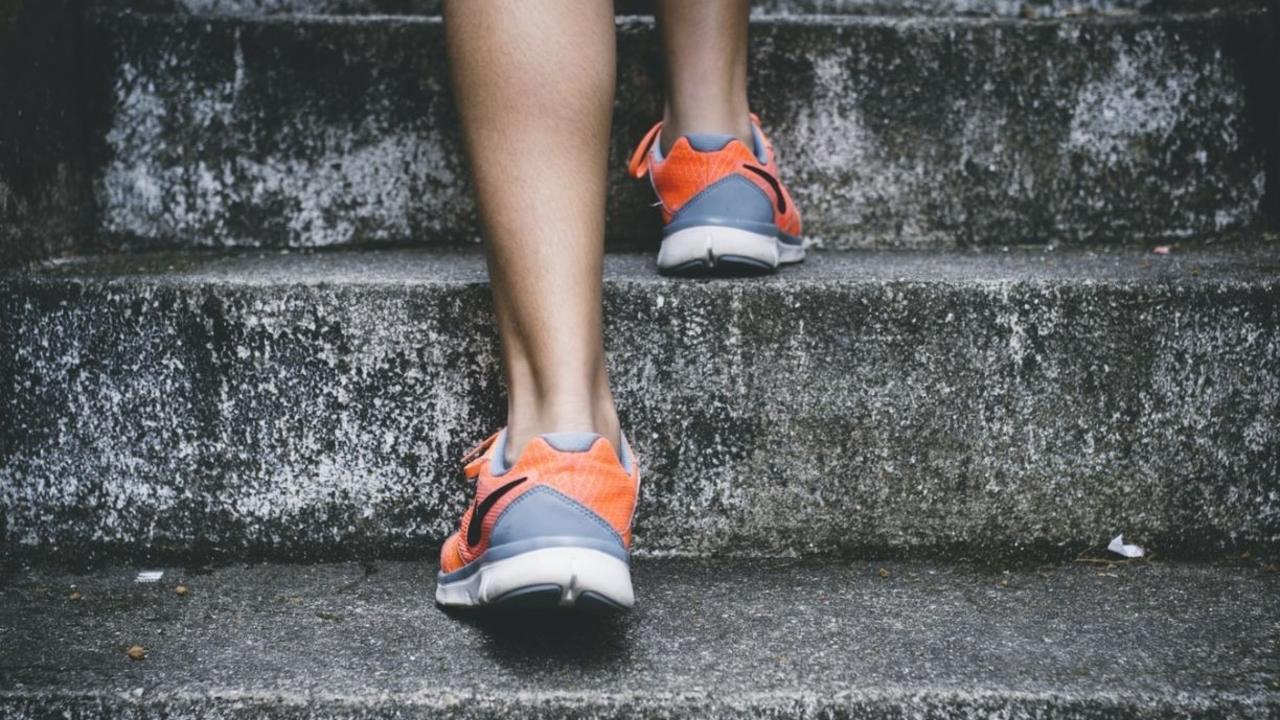
Walking During Pregnancy
Walking is one of the safest, most accessible, and most effective forms of exercise during pregnancy. It requires no special equipment, is low-impact, and can be done almost anywhere. Major health organisations including ACOG, CDC, and the NHS recommend regular moderate-intensity activity such as brisk walking for healthy pregnancies.
Regular walking helps reduce back pain, swelling, and constipation, improves mood and sleep, supports healthy weight gain, and may lower the risk of gestational diabetes, preeclampsia, and caesarean birth.
How Much Walking During Pregnancy Is Recommended?
Aim for at least 150 minutes of moderate-intensity aerobic activity per week (for example, 30 minutes on most days). You can break this into shorter sessions (10–15 minutes) if needed.
Use the talk test: You should be able to talk in full sentences but not sing.
This is a safer intensity guide than old heart-rate rules.
Walking Guidelines by Trimester
First Trimester
Start gently if you have nausea or fatigue.
Begin with 15-20 minutes most days at a comfortable pace.
Gradually build toward 150 minutes per week.
Rest when needed.
- ACOG / NHS / WHO: 150 minutes moderate-intensity per week = 30 min/day, 5 days/week
- Intensity: 'Talk test' - you can talk in full sentences but not sing.
- RPE scale: 11-13 out of 20 ('fairly light' to 'somewhat hard').
- Heart rate myth: Ignore 140 bpm rule - it's outdated. Use talk test.
Second Trimester
This is often the easiest period.
Many women comfortably walk 30-45+ minutes most days.
Energy levels usually improve, making it ideal for building stamina and managing weight gain.
- Target: Weekly total 200-300 minutes moderate intensity
- Daily average 40-60 min (can split 2-3 times;)
- Intensity: Talk test + RPE 12-14 ('somewhat hard')
- Heart rate: Ignore old 140 bpm rule - stay under 90% max (roughly 220 minus age)
- Steps: 10,000-15,000/day = gold standard.
Third Trimester
Shorten sessions if needed (10-30 minutes, more frequently).
Focus on flat surfaces, slower pace, and listening to your body.
Walking still helps prepare for labour and eases common discomforts.
- New Target: Weekly total150-250 min (down from 2nd tri is OK)
- Session length: 10-30 min, 3-6 times per day
- Intensity: RPE 10-12 ('light' to 'fairly light') - you can talk AND sing
- Steps: 6,000-10,000/day (quality - quantity)
- Golden rule: STOP if you feel pelvic heaviness, lightning crotch, or contractions.
Key Benefits of Walking While Pregnant
- Improves circulation and reduces swelling in legs and feet.
- Eases back pain and constipation.
- Supports healthy weight gain.
- Boosts mood and reduces anxiety.
- May lower risk of gestational diabetes and preeclampsia.
- Helps maintain fitness for labour and recovery.
Safety Tips for Walking During Pregnancy
1. Wear supportive, cushioned shoes with good arch support.
2. Stay well hydrated and avoid extreme heat or humidity.
3. Choose flat or gently sloping paths; avoid steep hills or uneven ground later in pregnancy.
4. Walk with a friend or join a prenatal walking group for motivation and safety.
5. Stop immediately and contact your healthcare provider if you experience dizziness, vaginal bleeding, contractions, chest pain, sudden swelling, reduced fetal movement, or severe shortness of breath.
Who Should Be Cautious?
Always check with your doctor or midwife before starting or continuing an exercise program, especially if you have complications such as placenta praevia, high blood pressure, or preterm labour risk.
Bottom line: Walking is one of the best things you can do for yourself and your baby throughout pregnancy. Start where you are, listen to your body, and build gradually. Even short daily walks make a meaningful difference.
You Must Stop Walking if:
1. An abnormally rapid heartbeat
2. Bleeding
3. Extreme fatigue
4. You experience any form pain
5. Dizziness
6. Faintness or light-headedness
7. Lack of normal fetal movement
8. Sudden swelling
Keep Your Doctor Informed
Stop immediately and contact your healthcare provider if you experience any of the above symptoms especially dizziness, pain, or bleeding.
How Much Should You Walk While Pregnant?
1. Beginners: Start with 15-20 minutes, 3-5 days a week
2. Intermediate/Active: 30-45 minutes most days
Goal: 150-300 minutes of moderate walking per week (split into shorter sessions if needed)
Pro Tips for Safe Pregnancy Walking
1. Wear supportive, cushioned shoes with good arch support
2. Stay hydrated and avoid walking in extreme heat
3. Choose flat or gentle paths and avoid steep hills in later trimesters
4. Walk with a friend or join prenatal walking groups for motivation
5. Listen to your body - stop if you feel pain, dizziness, contractions, or shortness of breath.
Common Q&A for Walking when Pregnant
1. Is walking safe during pregnancy?
Yes. For most healthy pregnant women, walking is one of the safest and most recommended forms of exercise. It is low-impact and carries very low risk when done at a moderate intensity.
2. How much should I walk while pregnant?
Aim for at least 150 minutes of moderate-intensity walking per week (e.g., 30 minutes on most days). Beginners can start with shorter sessions and build up. Use the talk test to gauge intensity.
3. What are the benefits of walking during pregnancy?
Walking helps reduce back pain, swelling, and constipation; improves mood and sleep; supports healthy weight gain; and may lower the risk of gestational diabetes, preeclampsia, and caesarean delivery.
4. Can I walk in the third trimester?
Yes. Shorten the duration or frequency if needed, choose flat surfaces, slow your pace, and stop if you feel pelvic pressure, contractions, or discomfort. Many women continue walking right up to labour.
5. When should I stop walking during pregnancy?
Stop and contact your healthcare provider if you experience dizziness, bleeding, contractions, chest pain, sudden swelling, reduced baby movements, or pain that does not resolve with rest.
6. Can I Walk if I am a Beginner?
To help you get started on identifying just how far you should walk, I want you to decide on what your current level of fitness is.
If you never exercised before pregnancy then you will be a beginner. This means walking a shorter distance and at a lower intensity. Start with a walk around the block and progress from there.
During your first trimester, you will be feeling all types of body changes. If you are experiencing morning sickness then this will definitely impact on your daily routines.
You should start out slowly by walking 15-20 minutes each day at a slow comfortable pace.
I would recommend that you aim for three days each week. When you are finding walking for 20 minutes quite easy, then you can increase the time you walk by small increments of 5-10 minutes.
7. Can I Walk if I am at the Intermediate Fitness Level?
If you are an active person, but only exercises occasionally, then you are most likely at the intermediate level. This means you can head out for a comfortable walk that's most likely less than one hour.
8. What if I am at Advanced Level?
If you consistently exercise more than four times a week then you would be considered advanced.
You can go out for a longer walk as long as you know your limit. You are now pregnant so you should avoid pushing yourself as the body changes you are experiencing will have an impact on how much you can exercise.
If you started your pregnancy with a high level of fitness you will undoubtedly want to continue exercising.
9. Is it Safe to Walk on a Treadmill?
Yes! If you this is what you enjoy and you have readily available access to a treadmill, then this is a good way to stay fit. In saying that, I much prefer walking outside when the conditions are suitable. That is, avoid walking in the hot weather or really cold months.
The main concern with walking on a treadmill when pregnant is making sure you do not lose your balance and fall off. Always try to use a treadmill with side rails.
10. Can Walking Cause Spotting?
It is very important you listen to your body when pregnant as spotting can be a sign of over-exertion. Stop walking if you are not feeling well. It's best to avoid exercising to the point of exhaustion.
11. How Fast Should You Walk?
Moderation becomes an important word during pregnancy, so please avoid extreme levels of exercise. The chemical by-products and raised body temperature of over-exertion are bad for your growing baby.
12. How Will I Know if I am Walking Too Fast?
I recommend that you use the "talk test" to determine your exertion level. This talk test states that you should be able to talk normally in a conversation without having to gasp for breath.
If you cannot carry on a conversation easily then slow down or stop for a rest.
13. Is Posture Is Important?
A good walking posture is essential and can help prevent back pain. Here are a few simple tips to help you maintain good posture.
1. Look forward.
2. Stand up straight.
3. Do not lean forward or lean back.
4. Keep your chin up.
5. Loosen the shoulders.
6. Tuck in your behind.
7. Avoid slouching.
14. Can Walking Prevent Constipation?
Constipation may be caused by a number of factors. When it comes to walking, it will definitely help. You see, walking provides the motion that helps your body move food through your system.
15. Will Walking Cause Foot Problems?
As I have already talked about; your body's center of mass shifts during pregnancy. You do not want to experience swelling in your feet or ankles during pregnancy. Hormones during pregnancy relax the ligaments, which can contribute to foot strain.
Before you start walking, make sure you invest in a good pair of supportive walking shoes. And see a podiatric physician if problems develop.
16. Can Walking Induce Labor?
Due to gravity and swaying of your hips, walking during pregnancy may help draw the baby down into your pelvis. The pressure of the baby on your pelvis may then prime your cervix for labor. Or it can help labor progress if you've already felt some contractions.
But don't worry about walking causing this during your pregnancy. The key point is that walking may help induce labor when your ready to give birth.
Walking during pregnancy isn't just exercise, it's self-care.
It clears your mind, boosts endorphins, improves circulation, and helps you stay connected to your changing body and growing baby.
Start today with just one short walk. Your body and baby will thank you.
Walking during pregnancy is highly recommended. In fact, I loved walking while I was pregnant because I got to enjoy the fresh air, the different scenery, the health benefits and I also had fun when walking with a friend.
Being pregnant will lead to changes in your feet and stride length. With some modifications you can keep moving and get the amount of exercise you need each day for health.
Chat to Your Doctor
As with any exercise program when pregnant, make sure you speak to your doctor prior to starting this or any other pregnancy workout. We are all different and what suits one woman may not suit you and your personal circumstances.
Maintain a Healthy Lifestyle
Many expectant mothers struggle with maintaining a healthy lifestyle and often feel overwhelmed by the changes in their bodies.
As your body undergoes numerous physical transformations, it's natural to wonder what exercises are safe and beneficial for you and your baby.
One of the most common concerns is maintaining a healthy weight, managing pregnancy-related discomfort, and staying energized throughout the day.
With so many misconceptions about exercise during pregnancy, it's no wonder many women feel uncertain about how to prioritize their health.
Emotional Rollercoaster of Pregnancy
Additionally, the emotional rollercoaster of pregnancy can be just as challenging as the physical symptoms. Mood swings, anxiety, and feelings of uncertainty can make it difficult to stay motivated and committed to a healthy lifestyle.
It's essential to find a safe and enjoyable way to stay active, reduce stress, and boost your mood.
Easily Accessible
Walking is an accessible and adaptable exercise that can be modified to suit your individual needs and fitness level.
Just 30 minutes of walking a day can make a significant difference in both physical and mental well-being during pregnancy.
By incorporating walking into your daily routine, you can experience the many benefits it has to offer, from improved cardiovascular health to enhanced mood and reduced anxiety.
Resources
ACOG – Exercise During Pregnancy - Official guidelines from the American College of Obstetricians and Gynecologists on benefits, recommended amount, and safe activities (including walking).
CDC Physical Activity for Pregnant & Postpartum Women - Clear U.S. public-health recommendations (150 minutes moderate activity per week) with practical examples.
BabyCentre Walking in Pregnancy - Advice on safety, benefits, how much to walk, and what to do if you experience pain.
The PregActive Method - The 'Hug & Wrap Method' is PregActive's signature technique for connecting breath, pelvic floor, and deep core so they work as one coordinated unit.
Article review: Article updated and reviewed by Kerryn Boyle on 17/09/2026.
Author