10 Proven Benefits of Exercise During Pregnancy
Nov 13, 2025
Benefits of Exercise During Pregnancy
Exercising during pregnancy isn't just safe, it's one of the best gifts you can give yourself and your baby. The American College of Obstetricians and Gynecologists (ACOG), WHO, and CDC all strongly recommend at least 150 minutes of moderate exercise per week for most healthy pregnancies.
Regular prenatal exercise delivers impressive benefits backed by research: shorter labors, fewer complications, improved mental health, and faster postpartum recovery.
Top Benefits of Working Out While Pregnant
1. Easier Labor & Delivery. Fitter moms often experience shorter pushing stages and up to 35% lower C-section risk.
2. Reduced Pregnancy Discomfort. 35-50% less back pain and pelvic girdle pain through targeted strength work.
3. Better Mood - Mental Health. Exercise boosts endorphins and serotonin, reducing prenatal anxiety and depression by up to 67%.
4. Healthy Weight Management. Helps prevent excessive weight gain while supporting steady, healthy growth for baby.
5. Lower Risk of Gestational Diabetes. Significantly improves glucose control and insulin sensitivity.
6. Less Swelling and Better Circulation. Movement reduces fluid retention in legs and feet.
7. Improved Sleep Quality. Helps you fall asleep faster and enjoy deeper rest.
8. Faster Postpartum Recovery. Stronger core and pelvic floor lead to quicker healing and less incontinence.
9. More Energy. Combats pregnancy fatigue by strengthening your cardiovascular system.
10. Healthier Baby. Better placental blood flow and often healthier birth weights.
| Benefit | How It Helps |
|---|---|
| Easier Labor & Delivery | Shorter pushing stage and up to 35% lower C-section risk |
| Reduced Pregnancy Discomfort | 35–50% less back pain and pelvic girdle pain |
| Better Mood & Mental Health | Reduces prenatal anxiety and depression by up to 67% |
| Healthy Weight Management | Helps prevent excessive weight gain while supporting baby’s growth |
| Lower Risk of Gestational Diabetes | Improves glucose control and insulin sensitivity |
| Less Swelling & Better Circulation | Reduces fluid retention in legs and feet |
| Improved Sleep Quality | Helps you fall asleep faster and enjoy deeper rest |
| Faster Postpartum Recovery | Stronger core and pelvic floor lead to quicker healing |
| More Energy | Combats pregnancy fatigue by strengthening the cardiovascular system |
| Healthier Baby | Better placental blood flow and healthier birth weights |
Benefits by Trimester
First Trimester: Reduces nausea, builds a strong foundation, and supports early mood stability.
Second Trimester: Peak energy phase - ideal for building strength and stamina.
Third Trimester: Prepares your body for labor, reduces swelling, and helps with optimal baby positioning.
Safe - Effective Options
When I was pregnant, I loved walking, swimming, prenatal yoga and modified strength training. These are all excellent choices that I recommend you consider. The key is moderation, proper form, and listening to your body.
Always get clearance from your healthcare provider before starting or continuing an exercise program. Stop immediately and seek medical advice if you experience bleeding, dizziness, chest pain, or contractions.
Ready to feel stronger, happier, and more prepared for birth? Start reaping the incredible benefits of exercise during pregnancy today - your future self (and baby) will thank you.
Do you know that exercising during your pregnancy will not only benefit you, but also your baby? The ACOG, CDC, WHO, and Royal College all recommend 150 min/week of moderate activity (including cardio and strength).
Once you know just how important working out when pregnant is, you will have that added motivation to keep you going throughout each trimester.
I continually advocate that every woman is different in what we experience when pregnant.
So, I want you to participate in an approved prenatal fitness training program that suits your needs and requirements.
If you are pregnant without complications, you should be encouraged to participate in appropriate exercises.
But what are considered appropriate exercises?
This is the tough part for most women. Most women who come to my prenatal classes are unaware of which exercises can be potentially dangerous when pregnant.
Even those who very fit and exercised regularly before pregnancy, acknowledge that working out when pregnant requires a modified program to ensure the safety of both them and their baby.
Benefits 1st Trimester
1. Lowers risk of miscarriage
2. Reduces severe nausea and vomiting
3. Improves mood and energy, reduces anxiety/depression
4. Reduces back pain and pelvic pain that can start early
5. Better placental growth and blood flow
Exercise
Recommended exercises include walking, prenatal yoga, light strength.
Benefits 2nd Trimester
1. Reduces preeclampsia risk
2. Dramatically lowers gestational diabetes risk.
3. Prevents excessive weight gain.
4. Reduces back pain.
5. Boosts mood and sleep quality.
Benefits include easing round ligament pain, improves sleep, preps for weight gain. Recommended exercises include Swimming, stationary bike, modified strength
Benefits 3rd Trimester
1. Much lower cesarean rate.
2. Shorter and easier labor.
3. Fewer medical interventions.
4. Better fetal positioning.
5. Better tolerance of labor pain
Benefits include reduced swelling, preps pelvis for birth, maintains stamina Recommended exercises include Perineal massage and squats, water aerobics, pelvic tilts.
What can you do?
Join a qualified and experienced prenatal exercise instructor who delivers classes that are specifically catered to pregnant women. Make sure your trainer is PregActive qualified to ensure your safety.
If you want to work out at home, then my workouts have been specifically designed for each week of pregnancy. They only include safe and effective exercises.
Whether you are in your first trimester, or third trimester, you will know you are getting the right exercises.
What you did before may now be dangerous.
Prenatal yoga is highly recommended. But did you know that certain poses must be avoided now you're pregnant?
What about heart rate during pregnancy?
Intensity of training? And many more variables associated with exercise.
You should not try to set personal bests.
To take on a new intensive physical challenge. Or to push yourself to exhaustion. All can be dangerous to both you and baby.
Your goal should be to maintain a good fitness level throughout pregnancy without trying to reach peak fitness.
There are numerous documented potential health benefits for women who exercise during pregnancy. These include improved mood, improved sleep and better weight control, to name a few.
There are also some direct benefits of regular exercise during pregnancy when it comes to decreasing the risk of pregnancy-related complications such as pregnancy-induced hypertension and pre-eclampsia.
Red Flags (STOP and CALL YOUR DOCTOR)
1. Bleeding
2. Dizziness
3. Painful contractions
4. Calf swelling/pain
5. Sudden headache/vision changes
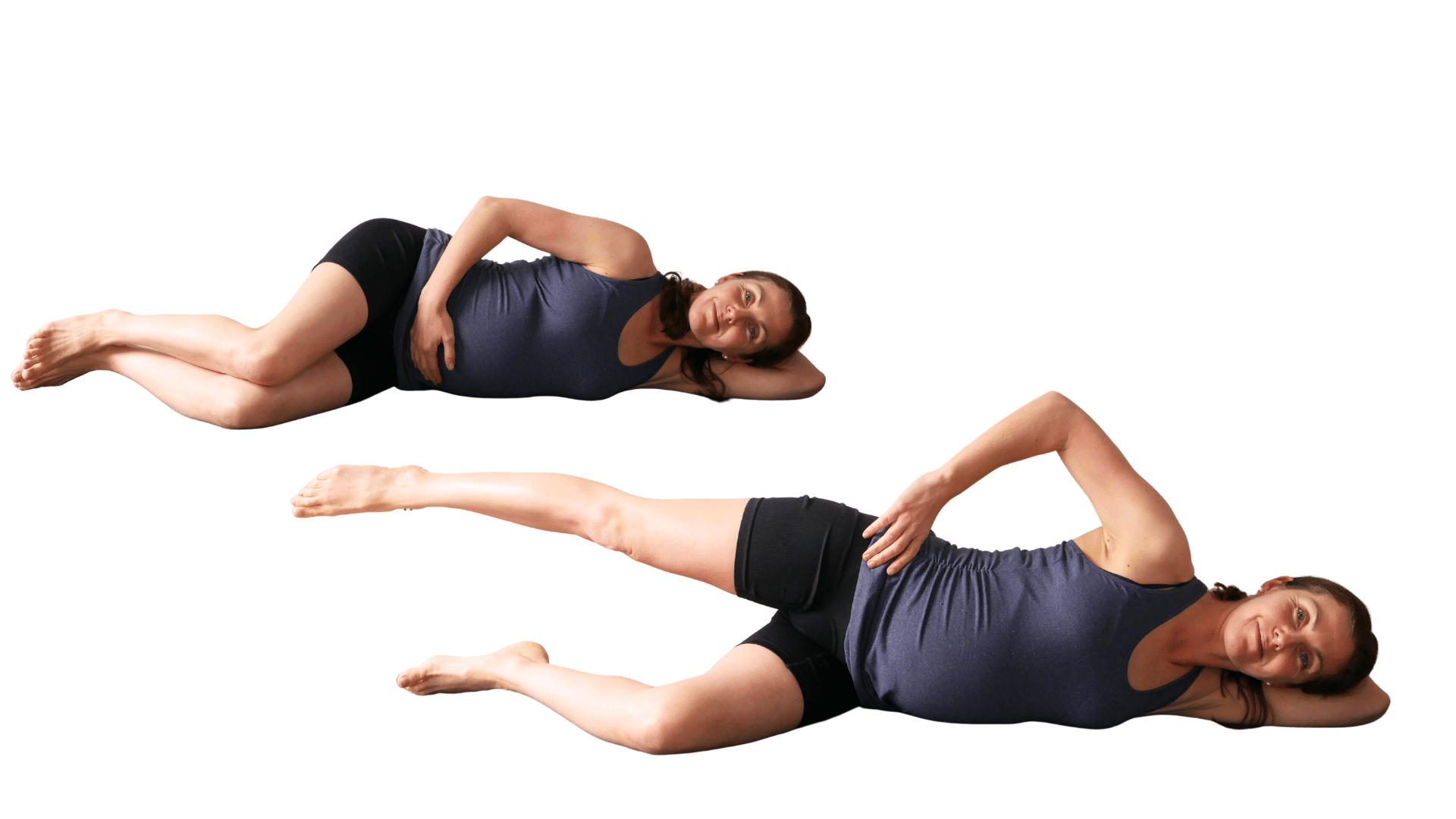
Body Changes when Pregnant
Your body will experience more body changes when pregnant than at any other time. This doesn't mean you don't want to look and feel good.
Exercise has numerous benefits in maintaining a healthy pregnancy weight. Staying active helps you feel better about yourself. It gives you the body confidence to carry your baby.
Exercise is not for everyone!
Please do not start a pregnancy exercise program until your doctor has cleared you to do so. I constantly repeat this throughout my posts as it is so important.
You may need to modify your existing exercise program. Or choose a suitable new one if you were exercising very little before getting pregnant.
And if you are like some women who have complications, exercise may be something you have to avoid. This is rare but can occur.
Your Prenatal Workout Must be Modified.
You will likely have questions to what exercises are best when pregnant and which ones you must avoid.
Whether you are participating in yoga, Pilates or in your own workouts, there are certain exercises that are no longer safe when pregnant.
You must be prepared to modify some exercises, movements or postures.
Which Exercises are Beneficial?
There are a number of recommended exercises for pregnant woman.
But here are the top six:
1. Swimming
2. Walking
5. PregActive workouts
6. Pelvic floor exercises, also known as Kegel exercises.
Takeaway
There are many benefits to working our and exercising when pregnant. Not only for you, but also your growing baby!
Reference
ACOG Physical Activity and Exercise During Pregnancy and the Postpartum Period
Related Articles
Can You Do Crunches or Sit-Ups While Pregnant? Safety by Trimester
Is It Safe to Run While Pregnant? Expert Guidelines & Tips
First Trimester Exercise Guidelines: Safe Early Pregnancy Workouts PDF
Article review: Article updated and reviewed by Kerryn Boyle on 14/09/2026.
Author