Diastasis Recti: How to Fix Ab Separation During Pregnancy
Sep 01, 2026Diastasis Recti: How to Fix Ab Separation During Pregnancy (Before It Gets Worse)
You cannot fully close or 'fix' diastasis recti during pregnancy. The goal is to minimize excessive widening of the abdominal separation, maintain core function, avoid coning/doming, and set your body up for optimal healing after birth. Nearly all women develop some degree of diastasis recti by the third trimester.
It is a normal adaptation to the growing uterus.
Always consult your healthcare provider or a women's health physiotherapist for personalized advice.
What is Diastasis Recti During Pregnancy?
Diastasis recti is the separation of the abdominal muscles during or after pregnancy. It can cause a bulging belly, lower back pain, and core weakness. Treatment can include targeted Pregactive exercises.
DR (also called abdominal separation or DRA) is the stretching and separation of the left and right rectus abdominis muscles along the midline connective tissue (linea alba). It is not a tear. The separation allows the uterus to expand.
By the third trimester, 60-100% of pregnant women have some degree of diastasis recti.
Symptoms
1. You may see a ridge or bulge along the midline of the abdomen. usually above or below the belly button.
2. Bulge may become more noticeable when contracting the abdominal muscles.
3. Softness around the belly button.
4. Coning when engaging the core.
5. Lower back pain, pelvic discomfort, or abdominal discomfort.
6. Difficulty with lifting objects, sitting up, or rolling over in bed.
7. Loss of bladder control or constipation may occur.
Symptoms often appear during the third trimester. You may notice that these symptoms can persist for weeks to months postpartum.
What Causes Diastasis Recti in Pregnancy?
The main causes are:
1. Hormonal changes that soften connective tissue.
2. Continuous outward pressure from the growing uterus.
3. Increased intra-abdominal pressure from certain movements or straining.
The belly-button area is a natural weak point in the linea alba, making it more prone to separation under load.
7 Common Warning Signs of Ab Separation
Most women notice one or more of these signs:
1. Lower back pain.
2. Poor posture.
3. Feeling of core weakness.
4. Belly bulge or visible doming when sitting up or straining.
5. Bloating.
6. Constipation.
7. Difficulty engaging the deep core.
Doming (a ridge that appears down the midline under pressure) is a key visual sign of poor pressure management.
What Makes Diastasis Recti Worse During Pregnancy?
These habits and exercises increase the gap or strain the linea alba:
1. Traditional crunches, sit-ups, and full planks.
2. Double-leg lifts or Russian twists.
3. Heavy lifting with breath-holding.
4. Getting out of bed with a jack-knife motion.
5. Extreme weight gain or constipation/straining.
6. Backbends and high-impact activities.
Diagnosis
Diastasis recti can be assessed by:
Finger-width test: Lying on your back with knees bent, lift your head slightly and feel for a gap between the abdominal muscles. A separation of two or more finger widths may indicate diastasis recti
At-home Self-check Video
I recommend you get a physical examination by a healthcare provider or physical therapist.
How to Manage Diastasis Recti Safely During Pregnancy
Focus on protecting the linea alba, activating the deep core, and avoiding coning.
Do these:
1. Deep core activation (transversus abdominis + pelvic floor) with proper breathing.
2. Side-lying and hands-and-knees exercises.
3. Maintain good posture (avoid rib flaring or excessive lumbar sway).
4. Use the log-roll technique to get in and out of bed.
5. Consider supportive pregnancy leggings or a belly band for temporary external support.
Avoid these:
1. Crunches, sit-ups, and elbow planks.
2. Double-leg lifts and twisting movements.
3. Heavy lifting while holding your breath.
4. Tight corset-style binding.
5. Any exercise that causes visible doming.
Belly bands or supportive garments can reduce pressure on the midline but do not prevent or heal diastasis recti on their own. They are only one part of a complete approach.
Treatment
Non-Surgical Approaches:
1. Targeted Exercises: Most cases I have seen can be managed conservatively with physical therapy and targeted exercises such as the ones in my PregActive workouts.
2. Deep core activation: Engaging the transverse abdominis through breathing and gentle contractions. Th 'Hug & Wrap' technique is what you need.
3. Pelvic floor exercises: Strengthening the pelvic floor supports the abdominal wall
4. Tupler Technique: ;These are exercises performed while wearing a postpartum belly splint that protects and hold the muscles together
5. Avoiding harmful movements: ;Avoid generic workouts not suited for pregnant women. Skip crunches, sit-ups, push-ups and standard planks that push the abdomen outward.
6. Modify posture: ;You need to learn how to roll onto your side to get out of bed and use correct technique when lifting objects.
Surgery is considered when:
1. The ab separation is severe.
2. It does not improve with exercise.
3. There is an associated hernia or significant functional impairment.
Can You Prevent Diastasis Recti Completely?
No. Some degree of separation is normal and expected in nearly every pregnancy. What you can do is minimize risk factors, protect the connective tissue, and keep the deep core functional so the gap does not become excessively wide and recovery after birth is easier.
Prevention and Management Tips
1. Maintain good posture.
2. Use correct exercises for core engagement during pregnancy.
3. Avoid excessive abdominal strain and heavy lifting.
4. Try and start core strengthening exercises before get pregnant.
5. Use Pregactive's 'Hug & Wrap' technique proper technique to reduce intra-abdominal pressure.
Does Diastasis Recti Get Worse with Each Pregnancy?
Not necessarily. Recovery between pregnancies plays a big role. Women who restore core strength and close the functional gap after one pregnancy often experience less severe separation in subsequent pregnancies.
Ready to Protect Your Core During Pregnancy?
The right prenatal exercises make a measurable difference in how well your core recovers after birth.
1. PregActive Pregnancy Programs - trimester-specific, medically recommended workouts
After birth, continue safely with the Core Rehab Program and full Postpartum Workouts.
Frequently Asked Questions
Can I close my diastasis recti while still pregnant?
No. You cannot fully close the gap during pregnancy. The focus is on minimizing further separation and maintaining function.
Is a gap of more than two fingers abnormal?
A separation wider than approximately two finger-widths is generally considered significant, but depth and how the tissues respond under load matter just as much as width.
Does wearing a belly band help or hurt?
A properly fitted belly band can provide temporary support and reduce midline pressure for some women. It will not prevent or heal diastasis recti and may increase symptoms in women with prolapse - check with a physiotherapist if you have concerns.
Should I still do core exercises if I have diastasis recti in pregnancy?
Yes, but only the right ones. Deep core and pelvic-floor activation exercises that do not cause coning are beneficial and support better postpartum recovery.
Diastasis Recti during pregnancy?
I want to show you how to fix ab separation safely with PregActive's proven methods. Learn the best exercises to heal your core, stop your belly from doming, reduce back pain and prevent worsening prolapse.
Exercises to Avoid if You Have Diastasis Recti
Things to avoid
1. Carrying heavy loads.
2. Holding your baby on one hip.
3. Any strenuous exercises.
4. Coughing.
Are there Diastasis Recti Complications?
When you have diastasis recti it can disrupt the transfer of pressure through the abdominal canister and result in issues such as incontinence, low back pain, or prolapse.
1. Back pain
2. Pelvic pain
3. Damage to your posture.
4. Hernia in extreme cases.
Belly Binding Garments
Yes, they can help. They work by supporting the abdomen and can reduce pressure on the midline. Remember, a belly band is only a temporary fix!
Can a Diastasis Recti Belly Band Prevent Abdominal Separation?
No, they will not prevent a DRAM but what they can do is to help to minimize the separation. Belly bands are just want part of the solution and end goal of healing DRAM.
Therefore, you can wear a belly band along with doing your exercises and ensuring you have correct posture. Oh, and avoid the risk factors!
Does Wearing Compression Make a Prolapse Worse?
Yes, it can but this is a conversation to have with your physio before jumping to any conclusions. A belly band can slightly increase intra-abdominal pressure as it compresses the abdomen.
The problem arises for some women that have prolapse as this may make you more symptomatic.
When is Diastasis Recti Considered Abnormal?
If your diastasis recti is wider than '2 fingers' then this is considered abnormal. The important note here is that it is not just the width of the linea alba that is of concern. It is also the depth as well as how the core muscles are functioning under load.
Does DRAM Get Worse with Each Successive Pregnancy?
Good question. The answer is not necessarily as it will often depend on how well you recover in between each of your pregnancies. This includes how much you close the gap and how strong and functional your core is.
Should you work on your separation during pregnancy?
What you do now when pregnant will have a significant impact on how well you recover after childbirth.
So yes, I want you to include the right (and safe) core exercises into your weekly prenatal fitness routine. This will all help you to recover better after birth!
I Have so Little Time for Workouts with Work, Toddlers, and Pregnancy Exhaustion! How can i do this?
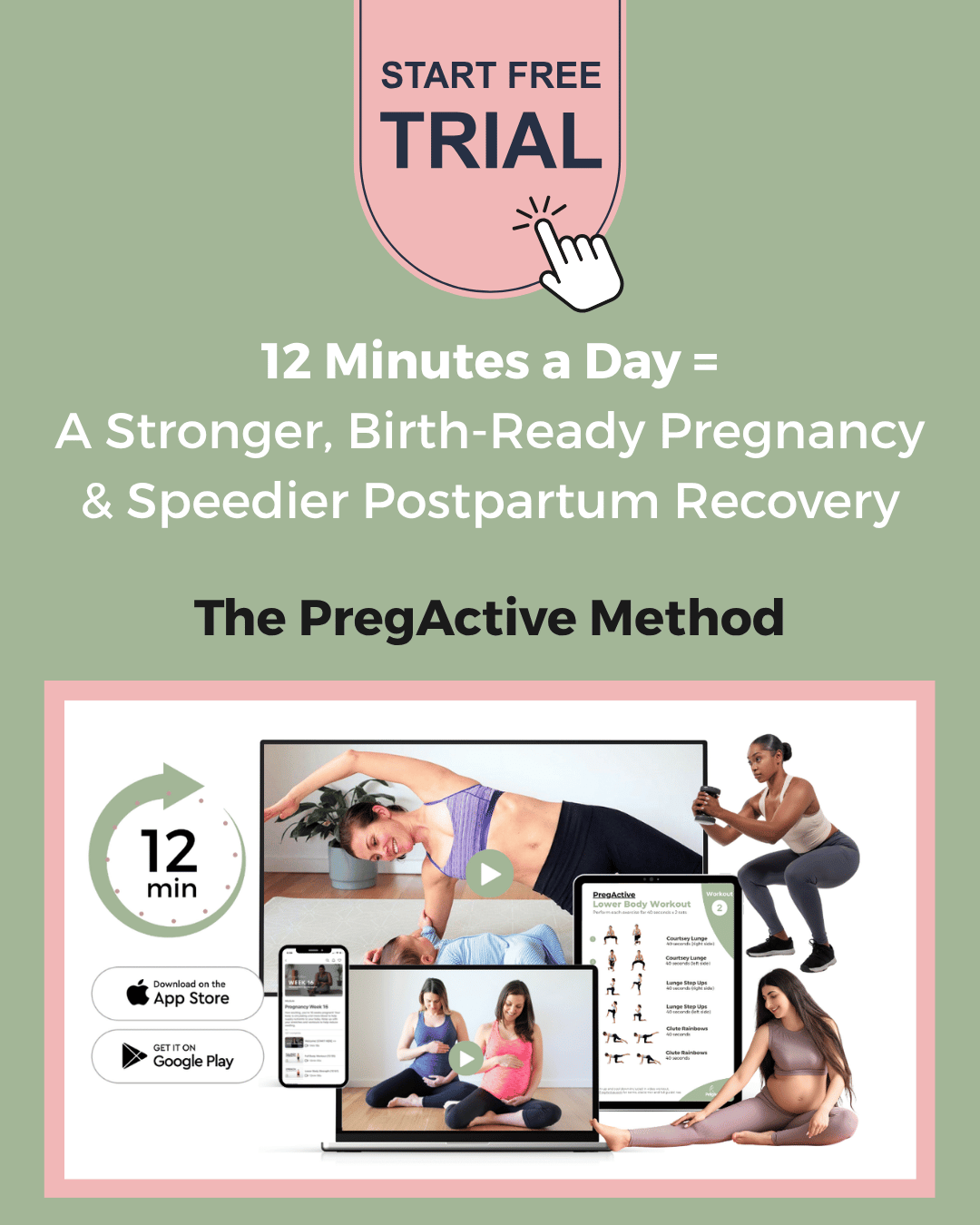
You will love our transformative PregActive 12 pregnancy health & fitness program. 12 minutes a day = a stronger, birth-ready pregnancy. Get safe, expert-led workouts that actually fit your real life; even when you're exhausted, busy, or chasing a toddler.
What Makes PregActive Different?
PregActive 12 is the only short-format prenatal strength program that integrates expert-level Intra-Abdominal Pressure (IAP) management and deep core/pelvic floor connection into each workout while progressively building functional strength across trimesters and bridging seamlessly into postpartum recovery and return-to-lifting protocols.
Takeaway
If you think you have abdominal separation, then you should book in a visit with your local women's health physiotherapist or physical therapist for an assessment.
They can also provide you with personal guidance and a management plan to ensure you prevent worsening during pregnancy.
Article review:
Article updated and reviewed by Kerryn Boyle on 01/09/2026.
Sources:
ACOG Physical Activity and Exercise During Pregnancy and the Postpartum Period
Author