Best Exercises for Sciatica During Pregnancy: Stretches, Relief Tips
Sep 30, 2026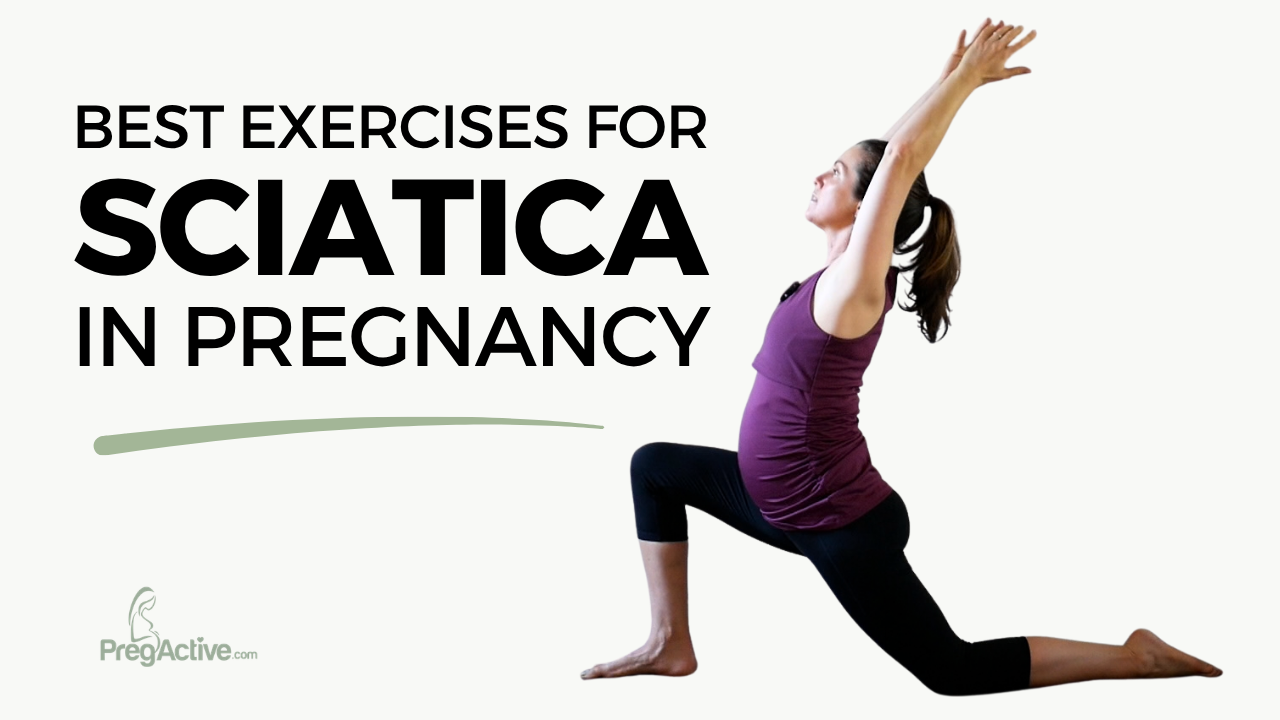
Best Exercises For Sciatica During Pregnancy
Sciatica during pregnancy is a common and often painful condition caused by irritation or compression of the sciatic nerve. Many expectant mothers experience sharp, shooting, or burning pain that starts in the lower back or buttocks and travels down one leg.
The good news?
Gentle, pregnancy-safe exercises and stretches can significantly reduce pressure on the nerve, improve mobility, and provide real relief.
This guide covers the best exercises for sciatica during pregnancy, why it happens, symptoms, self-help tips, and when to seek medical help all optimised for clear answers and practical advice.
What Is Sciatica in Pregnancy?
Sciatica (also called lumbosacral radicular syndrome) occurs when the sciatic nerve — the longest nerve in the body, running from the lower spine through the buttocks and down each leg becomes compressed or irritated.
Common causes during pregnancy include:
- Growing uterus putting pressure on the nerve.
- Hormonal changes (relaxin) loosening ligaments and joints.
- Sacroiliac (SI) joint dysfunction or piriformis muscle tightness.
- Baby’s position.
- Weight gain and postural changes.
Symptoms of Sciatica During Pregnancy
- Sharp, shooting, or burning pain (usually on one side).
- Pain radiating from the lower back/buttocks down the back of the thigh to the foot.
- Numbness, tingling ('pins and needles'), or weakness in the leg or foot.
- Pain that worsens with sitting, standing, or certain sleeping positions.
- Difficulty walking or changing positions.
Important: Always consult your doctor or midwife before starting any exercise program, especially if pain is severe.
5 Best Exercises for Sciatica During Pregnancy
These gentle stretches target the piriformis, hip flexors, glutes, and lower back to relieve pressure on the sciatic nerve.
Perform them slowly, stop if pain increases, and modify as needed for your trimester.
1. Seated Piriformis Stretch
Sit on a chair with feet flat on the ground.
If your right side is affected, put your right ankle on your right knee.
Keep your back straight. Lean forward until you feel a stretch through your buttocks.
Hold for 30 seconds. Repeat again.
You Can also do this stretch while sitting on a chair.
Keep your back straight and gently lean forward until you feel a stretch in the buttock.
Repeat 2-3 times per side.
2. Chair-Supported Forward Stretch
Stand facing a sturdy table or chair with feet slightly wider than hips. Place hands on the surface, keep arms straight and back flat, then gently push hips backward until you feel a stretch in the lower back and hamstrings.
Hold 20-30 seconds.
3. Modified Pigeon Pose
Start on hands and knees. Bring one knee forward between your hands and extend the other leg straight back.
Place a rolled towel or pillow under the front hip for support. Gently lower your torso forward (use pillows under your chest/head if needed).
Hold 30-60 seconds per side.
4. Hip Flexor Stretch (Kneeling Lunge)
Kneel on the floor.
Kneel on the floor on your hands and knees.
Step one foot in front of you. Your hip and knee are at a 90-degree angle.
Shift your weight forward until you feel a stretch in the front of your back hip and leg.
Hold for 30 seconds. Repeat on other side.
5. Cat-Cow or Gentle Spinal Mobility
On hands and knees (tabletop position), inhale as you drop your belly and look slightly up (Cow). Exhale as you round your spine and tuck your chin (Cat). Move slowly for 8-10 breaths. This improves spinal mobility and reduces lower-back tension.
Bonus helpful movements: Pelvic tilts, gentle walking, swimming or water exercise, and side-lying hip openers.
Self-Help Tips to Ease Sciatica Pain
- Apply heat or ice (10-15 minutes) to the painful area.
- Change positions frequently — avoid prolonged sitting or standing.
- Sleep on the pain-free side with a pillow between your knees and under your bump.
- Wear supportive, flat shoes and consider a maternity support belt.
- Maintain good posture and use proper lifting technique (bend knees, not back).
- Stay gently active, complete rest can worsen stiffness.
Will Sciatica Affect Labour?
It can limit some positions, but many women find relief in water (birth pool) or upright, supported positions. Discuss options with your birth team.
When to Contact Your Doctor
Seek medical advice if you experience:
- Severe or worsening pain.
- Significant leg weakness or numbness.
- Loss of bladder or bowel control.
- Numbness in the saddle area (groin/buttocks).
- Pain that does not improve with rest and gentle movement.
Most pregnancy-related sciatica improves significantly after birth.
Disclaimer: This information is for educational purposes only and is not a substitute for professional medical advice. Always consult your healthcare provider before beginning any exercise during pregnancy.
Common Q&A
1. What are the best exercises for sciatica during pregnancy?
Gentle stretches such as the seated piriformis stretch, modified pigeon pose, hip flexor stretch, chair-supported forward fold, and cat-cow are among the most recommended. Walking, swimming, and pelvic tilts also help.
2. Is sciatica common in pregnancy and what causes it?
Yes, it is relatively common, especially in the second and third trimesters. Causes include pressure from the growing uterus, hormonal ligament loosening, SI joint issues, piriformis tightness, and the baby's position.
3. How can I relieve sciatica pain while pregnant?
Combine gentle stretching, heat/ice, frequent position changes, side-sleeping with pillows, swimming, prenatal yoga or physical therapy, and avoiding prolonged sitting or high heels.
4. When should I worry about sciatica during pregnancy?
Contact your doctor if you have severe/worsening pain, significant leg weakness or numbness, loss of bladder/bowel control, or saddle-area numbness. These can indicate more serious nerve compression.
5. Does sciatica go away after pregnancy?
Yes, most women experience significant or complete relief within days to weeks after giving birth as the pressure on the nerve decreases and hormones stabilise.
can really cause you pain and inconvenience. Some women have such severe sciatica when walking and also while sleeping.
Sciatica is also known as lumbosacral radicular syndrome.
Pilates Workout Video for Sciatica Back Pain
Does Walking Help Sciatica?
Yes! Walking is an effective form of exercise for relieving sciatic pain. Walking releases pain-fighting endorphins and reduces inflammation. But you also need to be aware that poor walking posture may aggravate your sciatica symptoms.
Sleeping with Sciatica when Pregnant
Sciatica pain can be difficult to manage and it can make sleeping quite difficult. If you weren't pregnant, sleeping on your back would be one technique.
But lying on your back when pregnant is not recommended so avoid this. What you can do is to slide a pillow between your bed and knees for support.
Ways to Ease Sciatica
1. Prenatal massage
Having a massage with a qualified and experienced prenatal massage therapist can help relieve some pain.
Do your due diligence on finding a qualified therapists who has expert knowledge on sciatica and lower back pain.
2. Physical therapy
Physical therapy can decrease sciatica pain by reducing inflammation, improving blood flow, and realigning joints and muscles.
3. Prenatal yoga
We love yoga and for good reason. The benefits of yoga for mind and body are well-documented and widely known, so it should come as no surprise that a prenatal yoga practice can relieve sciatic nerve pain.
4. PregActive's 'Hug and Wrap' technique
The 'Hug & Wrap Method' is PregActive's signature technique for connecting breath, pelvic floor, and deep core so they work as one coordinated unit. This method builds core strength which can help alleviate back pain when pregnant.
Ergonomics in Preventing Sciatica Pain
Maintaining proper posture and ergonomics is essential for preventing sciatica pain during pregnancy.
As the baby grows, the center of gravity shifts, which can lead to postural changes that put additional pressure on the sciatic nerve.
Using ergonomic furniture and practicing good posture can mitigate these effects.
For instance, when sitting, choose a chair with good lower back support, keep feet flat on the floor, and avoid crossing legs.
While standing, distribute the weight evenly on both feet, and avoid standing for prolonged periods.
Resources
BabyCenter - How to treat sciatica during pregnancy
Practical, doctor-reviewed advice on symptoms, relief methods, and safe exercises.
What to Expect - Sciatica During Pregnancy
Clear explanations of causes, self-care tips, and when to seek help.
Hinge Health - Sciatica Pain During Pregnancy: Treatment and Stretches
Evidence-based stretches and physical-therapy style guidance tailored for pregnancy.
Article review: Article updated and reviewed by Kerryn Boyle on 01/09/2026
Author