Can You Do Crunches or Sit-Ups While Pregnant? Safety by Trimester
Sep 17, 2026Can You Do Sit-ups while Pregnant?
Traditional crunches and sit-ups are not the best choice for most of pregnancy. While they may be acceptable in the first trimester for some women (if there is no coning and medical clearance is given), they are generally best avoided from the second trimester onward.
The main reasons are increased risk of abdominal coning/doming (linked to diastasis recti), higher intra-abdominal pressure that can strain the pelvic floor, and the need to avoid prolonged lying on the back after the first trimester.
A strong core is still important during pregnancy, it supports posture, reduces back pain, aids labour, and speeds postpartum recovery. The key is choosing the right exercises.
Why Traditional Crunches Become Problematic
1. Supine position. After ~16-20 weeks, lying flat can compress the vena cava, reducing blood flow and causing dizziness.
2. Coning / Doming. A visible ridge or bulge along the midline signals excessive pressure on the linea alba.
3. Pelvic floor strain. Increased downward pressure can contribute to incontinence or prolapse risk.
4. Diastasis recti. Repeated spinal flexion can stress the already-stretched abdominal wall.
Guidelines by Trimester
First Trimester (Weeks 1-12)
Traditional crunches are often still possible if you feel good, have no coning, and your provider approves. Many experts still prefer safer deep-core alternatives even at this stage.
Second and Third Trimesters
Skip full sit-ups and traditional crunches. Switch to pregnancy-safe core exercises that avoid prolonged supine positions and excessive spinal flexion.
Stop immediately if you experience:
- Coning or bulging of the abdomen.
- Pain, pressure, or heaviness in the pelvis.
- Dizziness, shortness of breath, or vaginal bleeding.
- Urinary leaking.
Safe Core Alternatives During Pregnancy
Focus on the deep core (transversus abdominis) and pelvic floor rather than superficial 'six-pack' muscles:
1. Transverse Abdominis Breathing - Inhale to expand the belly, exhale while gently drawing the belly button toward the spine (no breath-holding).
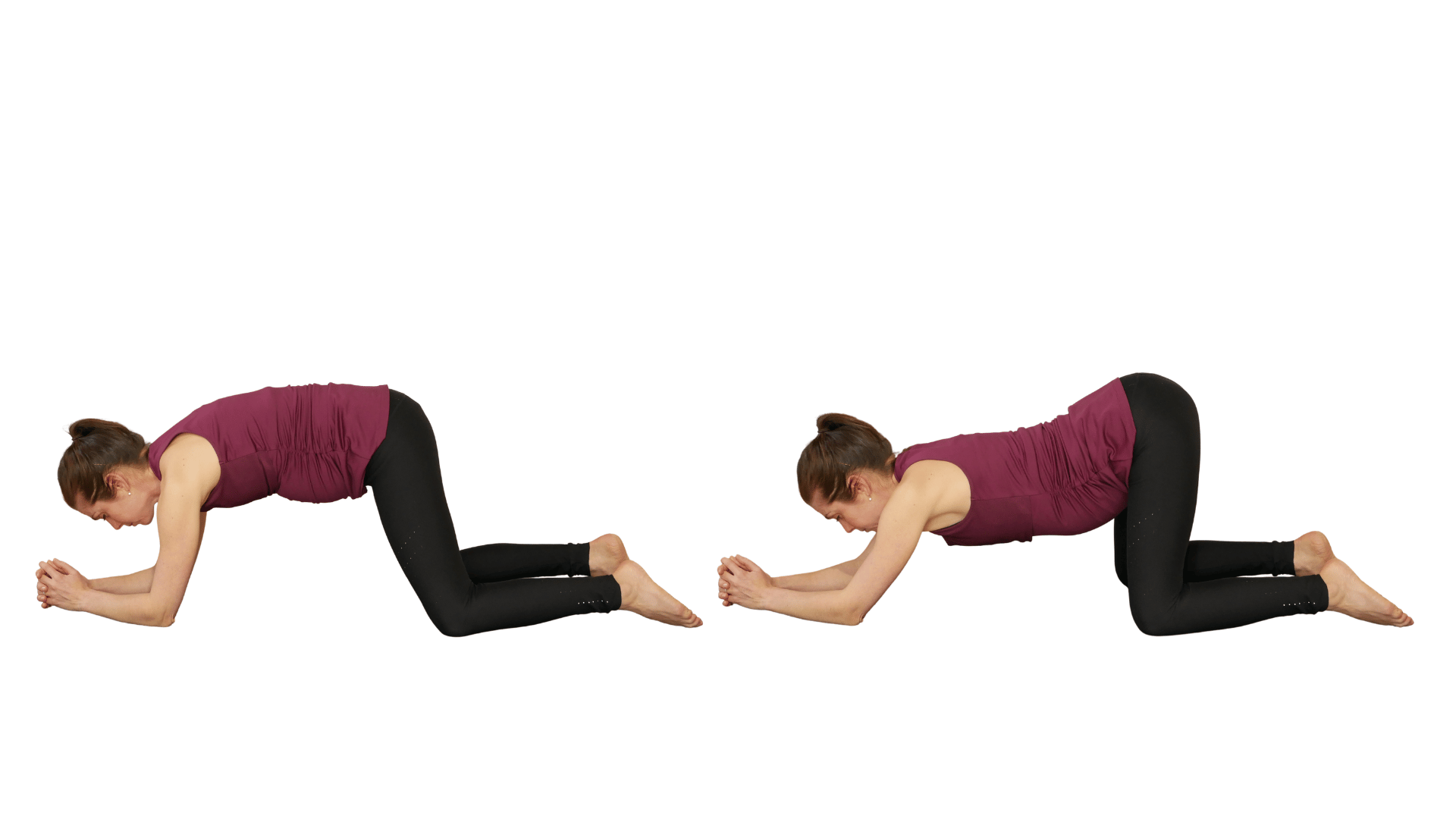
2. Pelvic Tilts. Standing, seated, or on all fours.
3. Cat-Cow. Gentle spinal mobility on hands and knees.
4. Side-Lying Leg Lifts or Clams. Engages the sides of the core safely.
5. Bird-Dog (modified). Opposite arm and leg extensions with core braced.
6. Seated or Standing Core Work. Including gentle Pallof-style anti-rotation if appropriate.
These moves build functional strength without the risks of traditional crunches.
Bottom line: You can and should train your core during pregnancy — just avoid traditional crunches and sit-ups after the first trimester. Prioritise deep core activation, good breathing, and listening to your body.
Common Q&A
1. Can I do crunches while pregnant?
Traditional crunches are generally acceptable in the first trimester if there is no coning and you have medical clearance. From the second trimester onward, they are best avoided due to risks of coning, pelvic floor strain, and reduced blood flow from lying on your back.
2. Are sit-ups safe during pregnancy?
Full sit-ups are not recommended after the first trimester. They increase intra-abdominal pressure and require a supine position that can become problematic as the uterus grows.
3. What core exercises are safe instead of crunches when pregnant?
Transverse abdominis breathing, pelvic tilts, cat-cow, side-lying leg lifts, modified bird-dog, and other deep-core or anti-extension exercises are preferred alternatives.
4. Do crunches cause diastasis recti in pregnancy?
Traditional crunches can contribute to or worsen abdominal coning and place extra stress on the linea alba. Focusing on deep core engagement and avoiding exercises that cause visible doming is safer.
5. When should I stop doing ab exercises like crunches?
Stop traditional crunches if you notice coning/doming, pelvic pressure, pain, leaking, dizziness, or once you reach the second trimester. Always follow your healthcare provider’s advice.
Keep both you and baby safe.
Core exercises are safe in the first trimester, but I recommend you avoid supine exercises once you get into the second trimester and third trimesters.
There are so many more effective and safe exercises you can do for your abs other than the old traditional sit-ups or crunches.
In fact, I recommend that you avoid these old-style crunches.
Secondly, when you are pregnant you should not be worrying about trying to maintain your six-pack abs!
The problem with working your abs on your back when pregnant is that your growing uterus can compress the vena cava (major vessel that returns blood to your heart).
This can be potentially reduce blood flow and making you feel dizzy or nauseated.
There is also a direct impact on your growing baby.
So, it is vital you maintain core strength throughout your pregnancy. This will help you during the delivery of your baby and also in the postpartum recovery period.
It is safe to exercise your ab muscles during pregnancy. The key point here is with the right modifications.
SUBSCRIBE TO MY Pregactive CHANNEL for FREE workouts >
When to Absolutely Avoid Sit-Ups
1. If you have diastasis recti already.
2. Pelvic girdle pain or pubic symphysis dysfunction.
3. Placenta previa or other high-risk conditions.
4. Your doctor or midwife specifically tells you not to.
What happens to your abs when pregnant?
During your first trimester of pregnancy, you may notice that there is an accentuated ridge that runs from the bottom of the breastbone down the middle of the belly.
This is known as diastasis recti.
This gap between the left and right sides of your abdominal muscle affects up to an estimated half of new mothers.
My weekly workouts take this into account and I only provide you with modified pregnancy exercises.
Prenatal yoga is a great class to strengthen your core.
Are planks safe during pregnancy?
I am not a fan of planks, especially when pregnant. Have you ever tried planking? Does your back hurt afterwards?
I find they put unnecessary pressure on your back. There are just some better core exercises you can do.
Related: Can I Do Planks While Pregnant?
Takeaway
I recommend you avoid traditional crunches when pregnant and focus on deep core activation and pelvic floor strength instead. Always consult your OB-GYN or a prenatal fitness specialist
Resources
BabyCenter Clear trimester-based advice and recommended alternatives.
The Royal Women’s Hospital – The Abdominal Muscles
Practical guidance on safe abdominal training during pregnancy, emphasising deep core activation over traditional sit-ups.
The PregActive Method "The 'Hug & Wrap Method' is PregActive's signature technique for connecting breath, pelvic floor, and deep core so they work as one coordinated unit.
Article review: Article updated and reviewed by Kerryn Boyle on 17/09/2026.
Author