Safe First Trimester Pregnancy Pilates Workout: Build Strength
Jun 19, 2021
Safe First Trimester Pregnancy Pilates Workout: Build Strength, Ease Nausea & Prepare for Motherhood
Discover the ultimate first trimester pregnancy Pilates workout designed specifically for expecting mothers who want to stay strong, toned, and energized during the early weeks of pregnancy.
This gentle yet effective prenatal Pilates routine helps combat first-trimester fatigue, morning sickness, and emerging posture changes while building a rock-solid foundation of core stability and pelvic floor strength for the journey ahead.
I want to share this 20 minute online first trimester prenatal Pilates workout you can do at home. It contains modified exercises suitable for you if you are in your first 12 weeks of pregnancy.
We know just how important exercise is to enjoy a healthy lifestyle. When you exercise regularly it helps to prevent disease, reduce stress, and gives you a better overall quality of life.
When pregnant, participating in a Pilates class in the 1st trimester gets you off to the right start when it comes to a pregnancy fitness plan you can maintain throughout your pregnancy.
Why First Trimester Pilates is One of the Best Prenatal Exercises
This is designed specifically for strong and toned mamas! In this video, you'll learn safe and effective Pilates exercises that promote strength, flexibility, and overall wellness during the first trimester of your pregnancy.
This routine focuses on core stability, pelvic floor engagement, and proper posture, all while ensuring that you and your baby stay healthy and comfortable.
Whether you're a seasoned Pilates enthusiast or a beginner, these gentle yet powerful movements will help you maintain your fitness levels and prepare your body for the changes ahead.
Safe 1st Trimester Pilates Workout
You're in the 'safe but listen to your body' zone. Most women can continue or start gentle Pilates if they feel well and have no complications (bleeding, severe nausea, history of miscarriage, etc.).
Get your OB/midwife's clearance first.
Key 1st Trimester Rules
1. No lying flat on your back after ~10-12 weeks (or earlier if dizzy).
2. Avoid deep twisting and intense core flexion (crunches, roll-ups, teaser).
3. Keep heart rate moderate - you should still be able to talk.
4. Stop if you feel sharp pain, dizziness, bleeding, or extreme fatigue.
5. Hydrate and don't overheat.
20-30 Minute Gentle Pilates Routine (Do 3-5 times;/week)
Warm-up (5 minutes)
1. Seated pelvic tilts on a chair or ball (10 slow reps)
2. Cat-cow on all fours (8-10 rounds) - great for low-back relief
3. Side-body stretch (seated or standing, reach one arm overhead, 4 breaths each side)
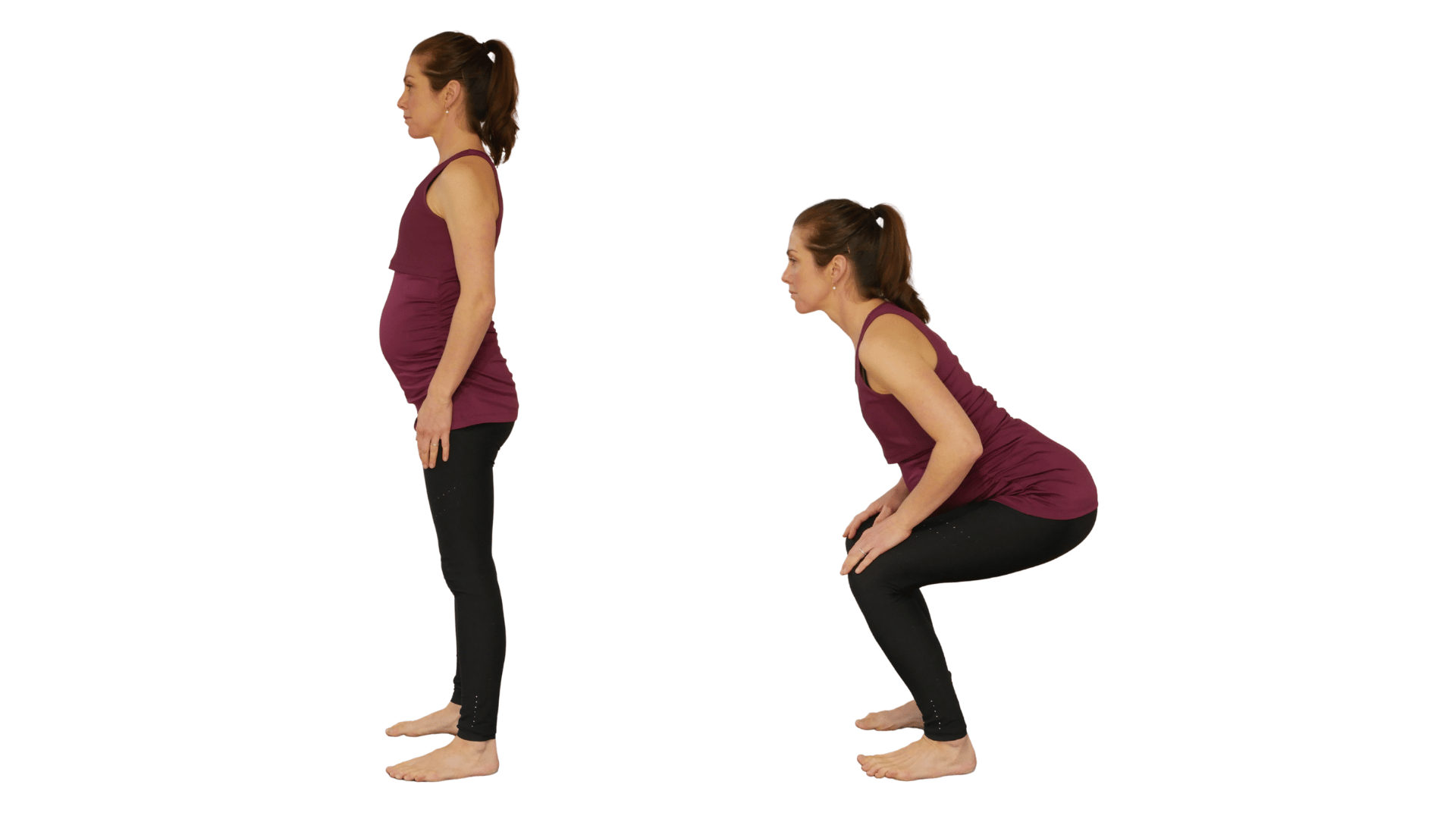
Main Workout
(Do 8-12 reps unless noted. Move slowly with breath.)
1. Pelvic floor elevators (seated or lying on side)
Inhale to relax, exhale gently lift (like an elevator going up 3 floors), then slowly release all the way down.
2. Spine articulation - seated or standing roll-down
Exhale curl chin to chest and roll down halfway (only as far as comfortable), inhale to roll back up stacking vertebrae.
3. Kneeling side reach (on all fours)
Inhale center, exhale reach one arm under body then open to side and overhead. Keeps torso long and mobile.
4. Modified hundred prep (on incline or seated against wall)
Legs in tabletop or feet on floor. Pump arms gently for 30-50 breaths. Skip if nauseous.
5. Clamshells (side-lying, knees bent)
Top knee lifts while keeping feet together. Strengthens glutes and pelvic stability (great for later pregnancy).
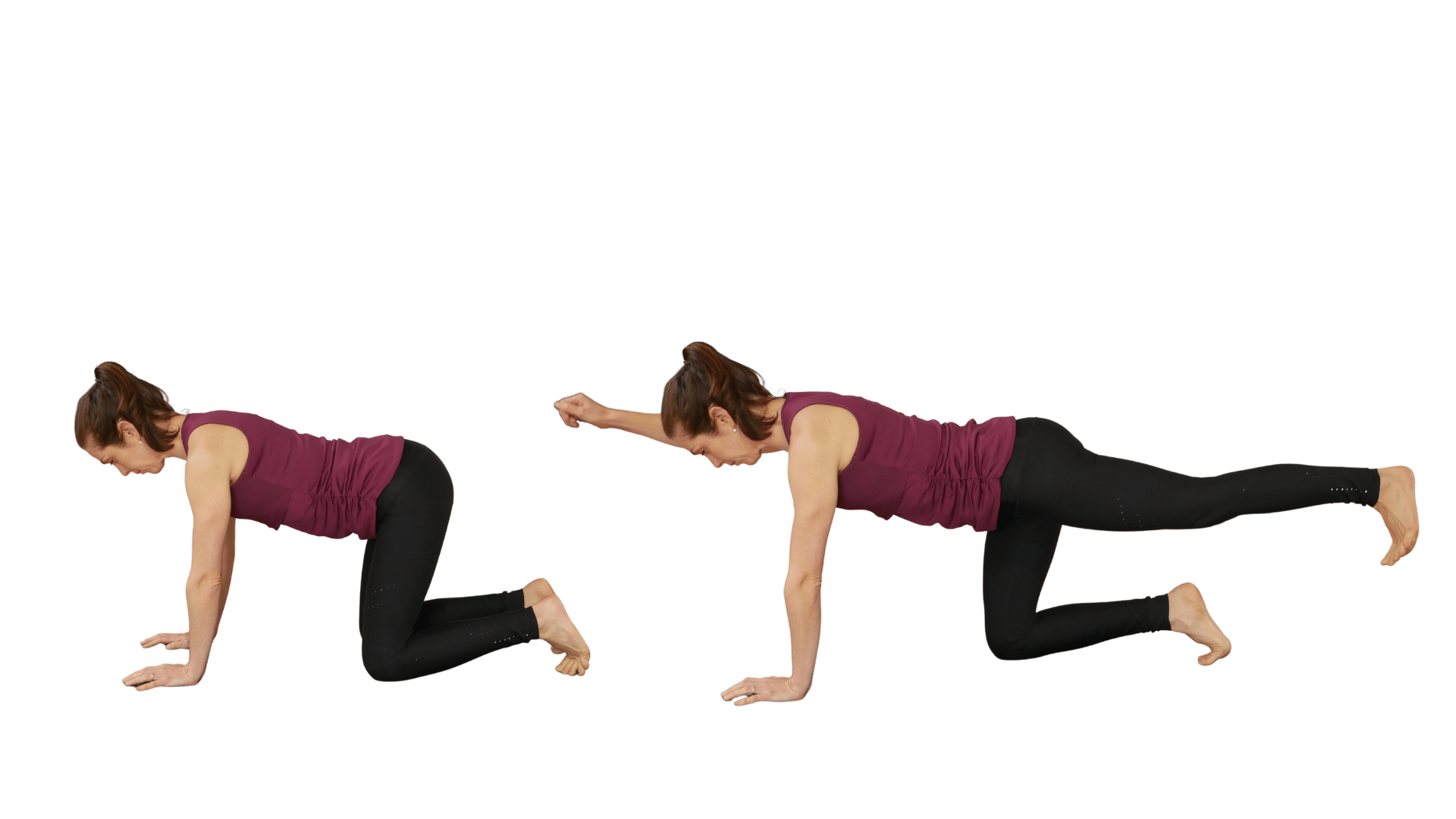
6. Bird-dog (on all fours - very gentle)
Extend opposite arm and leg only 10–20 cm, hold 3 breaths. Focus on core brace, not height.
7. Seated mermaid stretch
One hand down, reach opposite arm overhead for gentle side bend and rib opening.
8. Bridge with neutral spine (feet on floor, small lift)
Lift hips only 5-10 cm, keep abs long (no tucking). 10 slow reps.
Cool-down and relaxation (5 minutes)
1. Supported reclined bound-angle pose (use pillows under knees and back)
2. 3-5 minutes of diaphragmatic breathing (hand on belly, slow 4-count inhale / 6-count exhale)
Props you may like
1. Small pillow or wedge (for under head if reclining)
2. Resistance band or small ball between knees for inner-thigh work
3. Blanket for knee padding
What to Avoid in 1st Trimester Pilates
1. Full hundred, roll-up, rollover, teaser
2. Open-leg rocker, control balance
3. Deep spinal flexion or twisting moves
4. Planks
What You'll Learn:
1. Safe modifications for all fitness levels
2. Breathing techniques to enhance relaxation and focus
3. Exercises targeting key muscle groups to support your growing belly
4. Tips for maintaining proper alignment during pregnancy
First Trimester (1-12 weeks)
Let me start by stating that every woman will experience a different pregnancy to other women. Some will be experiencing morning sickness or be feeling tired which can create havoc in your everyday life.
Pilates is a safe exercise to perform in the 1st trimester but there are some exercises that still need to be modified.
You need to exercise at a lower intensity in order to avoid your body temperature and heart rate elevating too high.
Consult Your Doctor First
Before starting any exercise routine during pregnancy, consult your healthcare provider to ensure it's safe for you and your baby.
Pilates is generally considered low-impact and beneficial, but individual factors like morning sickness, fatigue, or high-risk conditions may require modifications.
The first trimester (weeks 1-12) involves significant hormonal changes, so focus on gentle movements to avoid overheating or overexertion.
Pregnancy Pilates Workout for First Trimester
First Trimester Exercises
Exercise 1

Exercise 2.

Exercise 3.

Exercise 4.

Benefits of Pilates in the First Trimester
Pilates emphasizes controlled breathing, core stability, and flexibility, which can help counteract early pregnancy fatigue and prepare your body for later changes.
1. Strengthens the core and pelvic floor.
Supports posture and reduces lower back strain.
2. Improves circulation and reduces nausea.
Gentle flow promotes blood flow without high intensity.
3. Enhances mental well-being
Breathing techniques can ease stress and anxiety.
4. Lowers risks
Studies show it may reduce excessive weight gain and gestational discomforts like pain.
Safety Tips for First Trimester Pilates
1. Intensity
Keep it light. Aim for 20-30 minutes, 3-4 times a week. Don't push to failure; stop if you feel dizzy, short of breath, or overheated.
2. Breathing
Use deep diaphragmatic breaths to oxygenate your body and engage the pelvic floor gently (avoid straining).
3. Modifications
Reduce traditional "sit-up" abs; opt for neutral-spine variations. Avoid inversions or anything that feels off.
4. Environment
Stay cool (no hot Pilates), stay hydrated, and listen to your body—fatigue is common.
5. Gear
A mat is all you need; props like a Pilates ball can add support.
Is Pilates safe during the first trimester?
Yes! But the first trimester is not the time to try and achieve new personal bests. Now is the time to focus on breathing and stabilization.
I want you to only do as much exercise as you feel comfortable doing. You see, from now on and throughout each week, it's important to pay attention to how you're feeling.
I have created workouts that consist of safe and modified Pilates exercises so that they can be easily adapted to accommodate your pregnant body.
Can I Use a Pilates Reformer when Pregnant?
Yes, the Pilates Reformer is a great way to safely challenge the body during the first trimester, but as already discussed, not all exercises are suitable for pregnancy.
Avoid overstretching, since the ligaments of the pregnant body are more sensitive.
Although the Reformer can be a supportive way to exercise, it needs to be introduced in an appropriate way for beginners.
It's important to learn the correct movements before adding the challenge of resistance.

Can Pilates Relieve Common Body Pains 1st Trimester?
You will soon discover that the deep breathing is relaxing and the movement in Pilates increases circulation which boosts.
The strength you develop will help keep your body pain free as your belly expands.
Exercises to Avoid in the First Trimester
Yes, you can use the Reformer can be a supportive way during your first trimester.
But please remember that Reformer Pilates needs to be introduced in an appropriate way.
If you've never done Pilates
You need to learn the movements and body mechanics from a qualified trainer before adding the challenge of resistance.
If you're already comfortable on the Reformer
You will still need to modify some exercises to suit your growing belly. Also, I want you to go lighter during leg or arm work.
What if Pilates is causing pain or discomfort?
You must listen to your body! I want you to slow down and move at your own pace during pregnancy.
A qualified prenatal Pilates trainer can provide further guidance on what exercises you can and can't do.
Should I warm up before a Pilates session?
All workouts should begin with an appropriate warm-up. I want you to start slowly and ease your way into the workout.
Author