Pelvic Girdle Pain in Pregnancy: Tips, Exercises for Fast Relief
Apr 05, 2022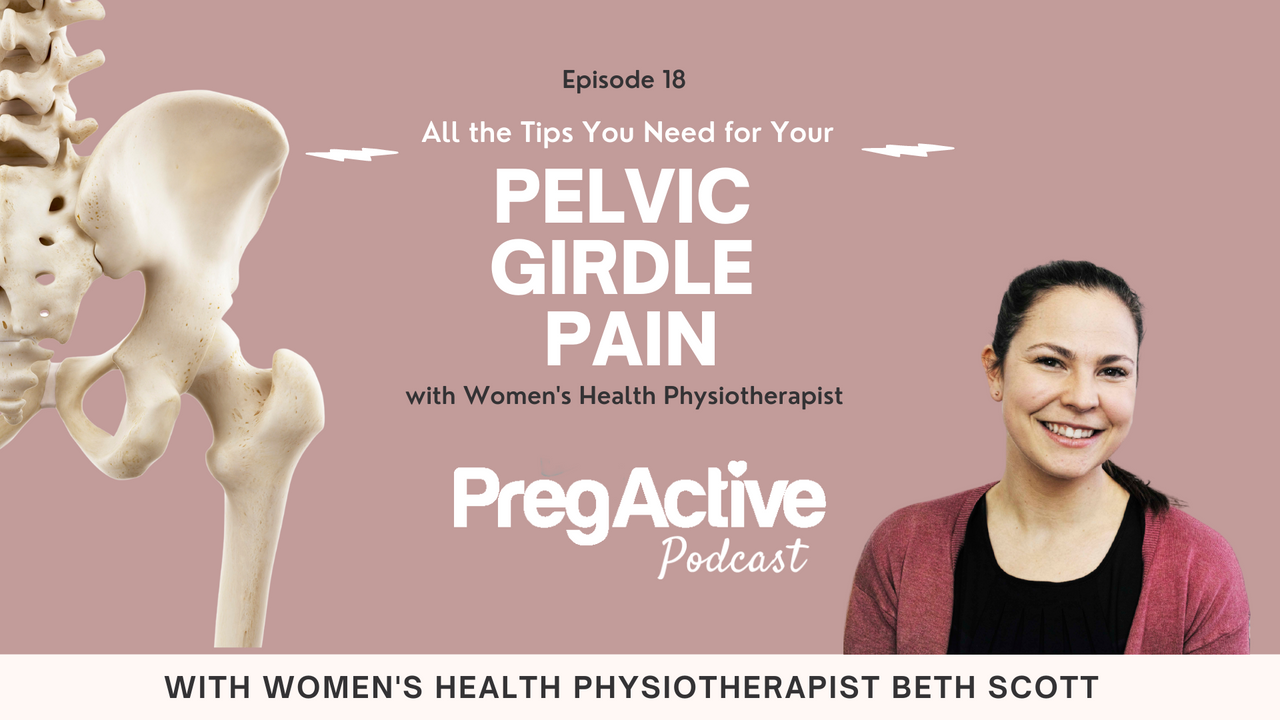
Pelvic Girdle Pain in Pregnancy: Proven Tips, Exercises & Treatments for Fast Relief (PGP/SPD)
Struggling with pelvic girdle pain (PGP) or symphysis pubis dysfunction (SPD) during pregnancy? You're not alone. This sharp, debilitating pain in the lower back, hips, pubic bone, or buttocks affects 50-70% of pregnant women and can make simple tasks like walking, turning in bed, or climbing stairs incredibly difficult.
The good news? With the right early intervention, 85-95% of women become pain-free or significantly better within 6-12 weeks after birth. This complete guide delivers practical, evidence-based pelvic girdle pain tips to help you manage symptoms effectively and stay active through pregnancy.
Key topics covered:
1. Understanding the real causes of PGP (hormonal changes, posture, muscle imbalances)
2. How to differentiate PGP from normal pregnancy aches
3. The most effective treatments ranked by success rate
4. Safe stabilizing exercises you can do at home
5. Daily movement strategies and lifestyle adjustments
Top recommended treatments for pelvic girdle pain relief:
1. Women's Health Physiotherapist - Gold standard (70-90% major improvement)
2. Pelvic support belt -Fast pain reduction for most women
3. Targeted stabilizing exercises - Build strength and stability safely
4. Pregnancy acupuncture - Proven pain reduction
5. Manual therapy by pregnancy-trained practitioners
Discover which exercises to avoid with PGP (such as certain lunges, wide squats, or high-impact moves) and learn gentle alternatives that strengthen your core, glutes, and pelvic stabilizers without worsening symptoms.
Includes expert insights from women's health physiotherapist Beth Scott and PregActive founder Kerryn Boyle, who successfully managed her own PGP in pregnancy.
Whether you're in your first, second, or third trimester, these pelvic girdle pain pregnancy tips will help you reduce pain, improve mobility, sleep better, and feel more confident in your daily life.
Early action is crucial - don't wait for it to get worse.
Perfect for pregnant women searching for pelvic girdle pain relief, SPD treatment pregnancy, PGP exercises, safe prenatal workouts with pelvic pain, and natural ways to manage symphysis pubis dysfunction.
Take control of your pelvic girdle pain today. With the right knowledge, support, and consistent management, you can enjoy a more comfortable pregnancy and prepare your body for birth and postpartum recovery.
You've got this, mama - relief is possible!
What is Pelvic Girdle Pain (PGP) and Why It Affects So Many Pregnant Women
Are you pregnant and suffering from Pelvic Girdle Pain?
You are not alone. Pelvic Girdle Pain (PGP) or Symphysis Pubis Dysfunction (SPD) or what used to be called 'pelvic instability' is very common, especially in pregnancy.
Pelvic girdle pain (PGP) affects 50-70% of pregnant women to some degree; about 20-25% have moderate-severe pain.
The good news
85-95% of women are pain-free or nearly pain-free within 6-12 weeks postpartum if treated correctly during pregnancy. The key is early, active treatment - not just rest and wait.
In this podcast, you'll learn about pelvic girdle pain and how our podcast can provide valuable insights and solutions to improve your well-being.
You're Not Alone
Many people struggle with pelvic girdle pain, and it's especially common among pregnant women and those in postpartum recovery.
This type of pain can be debilitating, making everyday activities feel like a chore. Simple tasks like walking, bending, or even just getting out of bed can become a real challenge.
The pain can be so intense that it affects not only physical mobility but also mental well-being. It's no wonder that those who suffer from pelvic girdle pain often feel frustrated, anxious, and isolated.
PGP Impacts You and Your Family
The impact of pelvic girdle pain can be far-reaching, affecting not only the individual but also their loved ones.
Partners, friends, and family members may struggle to understand the severity of the pain, leading to feelings of guilt, shame, and inadequacy.
It's essential to recognize that pelvic girdle pain is a legitimate health concern that requires attention, empathy, and support.
Common Causes and Symptoms of PGP/SPD During Pregnancy
Several factors work together to trigger pelvic girdle pain:
1. Hormonal Changes: During pregnancy, your body releases higher levels of relaxin and other hormones that soften and loosen ligaments in the pelvis to prepare for childbirth. This increased laxity can cause the pelvic joints to move unevenly or become unstable.
Source: my.clevelandclinic.org
2. Biomechanical Stress: As your baby grows, your center of gravity shifts forward. This puts extra strain on the pelvis, lower back, and supporting muscles, especially in the second and third trimesters.
3. Joint Stiffness or Uneven Movement: The three main pelvic joints (two sacroiliac joints and the pubic symphysis) are designed to move slightly. When they move asymmetrically or become stiff, it leads to irritation and pain.
4. Previous History: You’re at higher risk if you’ve had back pain, pelvic injuries, hypermobility, or PGP in a previous pregnancy.
5. Other Contributing Factors: Muscle imbalances, poor posture, high physical demands, multiple pregnancies, or carrying a larger baby can all exacerbate symptoms.
Recognising the Symptoms of PGP/SPD
Symptoms vary from mild discomfort to severe pain that affects daily activities. Many women describe it as:
1. Sharp, stabbing, aching, burning, or throbbing pain in the pubic bone (front of pelvis)
2. Pain in the lower back, hips, buttocks, groin, perineum, or radiating down the thighs.
3. A sensation that your pelvis is “loose,” wobbly, or grinding
Clicking, popping, or grinding sounds in the pelvic area
4. Increased pain with movements such as walking (especially on uneven surfaces), climbing stairs, turning over in bed, getting in/out of a car, standing on one leg, or spreading your legs wide
5. Pain often worsens as pregnancy progresses and the baby’s weight increases, and it can significantly disrupt sleep and mobility. In severe cases, some women may need crutches or a wheelchair for short periods.
6. Pelvic girdle pain is often misunderstood, and its causes can be complex and multifaceted.
7. Hormonal changes, poor posture, and weakened core muscles are just a few of the potential contributors to this type of pain.
By understanding the underlying causes, we can begin to explore effective solutions and strategies for relief.
PregActive Can Help You
Despite the prevalence of pelvic girdle pain, many people feel like they're alone in their struggle. But the truth is, there is hope for healing and recovery.
We've learned that with the right guidance and support, it's possible to alleviate discomfort and improve daily activities.
We'll explore the causes of pelvic girdle pain, discussing its symptoms and sharing expert advice from our podcast that can help alleviate discomfort and improve your daily activities.
From exercises and stretches to lifestyle changes and therapy, we'll dive into the various approaches that can bring relief to those who suffer from pelvic girdle pain.
Treatment
1. Pelvic-health physiotherapist (women's health PT) 1-on-1
Effectiveness: Gold standard - 70-90% major improvement in 4-8 weeks
When to Start: As soon as pain starts
2. Pelvic support belt
Effectiveness: Reduces pain 50-70% within days for most
When to Start: From first trimester if needed
3. Specific stabilizing exercises
Effectiveness: 60-80% improvement when done correctly 3-5 times;/week
When to Start: From diagnosis onward
4. Acupuncture (by practitioner experienced in pregnancy)
Effectiveness: 50-75% pain reduction (Cochrane 2024)
When to Start: 1-2 sessions/week for 4-6 weeks
5. Chiropractic or manual therapy (Webster-certified or pregnancy-trained)
Effectiveness: 40-70% improvement if sacroiliac joint is main source
When to Start: Weekly
Pelvic Girdle Pain
We'll discuss the significance of understanding pelvic girdle pain, explored strategies for relief, and highlighted insights from our podcast.
We hope that this information has been helpful and informative, and we encourage you to take the next step in your journey towards healing and recovery.
If you found this information helpful, make sure to check out our other videos for more health tips and share your thoughts on my YouTube Pregnancy channel >
Listen to our latest podcast as we interview Women Health Physiotherapist Beth Scott
In this Pelvic Girdle Pain Podcast We Talk About:
1. What is Pelvic Girdle Pain
2. What can cause Pelvic Girdle Pain
3. What are some exercises to avoid if you have PGP
4. The full spectrum of PGP from not knowing you have it, to being on crutches not able to walk
Plus so much more!
Beth has such great knowledge in this area, helping women with Pelvic Girdle Pain in their pregnancy.
She's also passionate about debunking myths about 'pelvic instability' and why that wording is no longer used to describe this condition.
I personally saw Beth for treatment when I had PGP in my own pregnancy. Knowing the right exercises and getting correct treatment is so important when it comes to maintenance.
Author