Why Investing in a Step May Save Your Pelvic Floor
Feb 13, 2026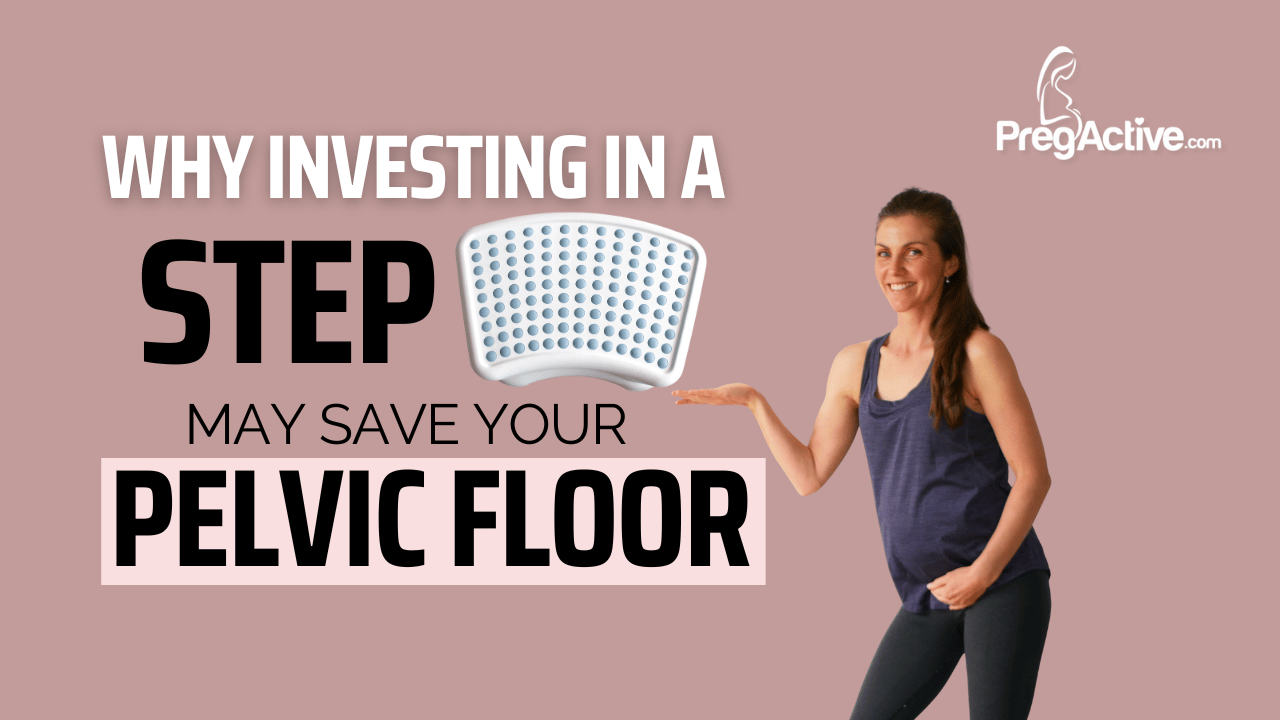
The Importance of Using a Foot Stool for Pelvic Floor Health During Pregnancy and Postpartum.
Pregnancy and the postpartum period are transformative times for a woman's body, bringing joy alongside physical challenges.
One area that often bears the brunt of these changes is the pelvic floor-a group of muscles, ligaments, and tissues that support the bladder, uterus, and rectum.
Maintaining pelvic floor health is crucial to prevent issues like incontinence, prolapse, and chronic pain.
Surprisingly, a simple tool like a foot stool (often called a toilet stool or squat stool) can play a significant role in supporting this vital area.
Right now, we will dive deep as to why elevating your feet while using the toilet is beneficial, particularly during pregnancy and after giving birth, backed by insights from health experts.
Watch this Video
Understanding the Pelvic Floor and Its Role
The pelvic floor acts like a hammock at the base of the pelvis, holding up key organs and aiding in functions such as urination, defecation, and childbirth.
During pregnancy, the growing baby adds pressure, weakening these muscles. Hormonal changes, like increased relaxin, further soften tissues to prepare for delivery.
Postpartum, the pelvic floor may be stretched or torn from labor, leading to recovery challenges.
Common issues include urinary incontinence (leaking urine when sneezing or laughing), fecal incontinence, and pelvic organ prolapse, where organs descend into the vaginal canal.
According to women's health specialists, about one in three women experience pelvic floor disorders after childbirth.
Preventive measures, including proper posture during daily activities, can make a big difference.
How a Foot Stool Works: Mimicking a Natural Squat
Modern toilets are designed for sitting, but humans evolved to squat for elimination-a position that aligns the body for easier bowel movements.
When you sit upright on a toilet, the puborectalis muscle (part of the pelvic floor) creates a kink in the rectum, making straining necessary.
This straining increases intra-abdominal pressure, which can stress the pelvic floor over time.
Enter the foot stool: By placing your feet on a small step (about 20cm /8 inches high), you elevate your knees above your hips, simulating a squat.
This relaxes the puborectalis muscle, straightens the rectum, and allows for smoother, less forceful elimination.
Devices like the Squatty Potty popularized this concept, but any stable stool works.
Get this Free Guide Now

Benefits During Pregnancy
Pregnancy amplifies the need for gentle bowel habits due to common issues like constipation, caused by progesterone slowing digestion, iron supplements, and the uterus pressing on intestines.
Straining to pass stools can exacerbate pelvic floor strain, potentially leading to hemorrhoids or worsening varicose veins.
Using a foot stool helps by:
1. Reducing Strain
It minimizes the effort needed for bowel movements, lowering pressure on the pelvic floor and reducing the risk of tears or weakening.
2. Improving Circulation
The squat position can enhance blood flow in the pelvic area, which is beneficial when pregnancy already increases the risk of swelling and clots.
3. Preventing Constipation Complications
Easier elimination means less time on the toilet, decreasing the chance of developing habits that harm the pelvic floor long-term.
Pelvic health experts recommend this practice as part of a holistic approach, alongside Kegel exercises and adequate hydration, to maintain muscle tone throughout pregnancy.
Why It's Especially Crucial Postpartum
The postpartum phase, often called the "fourth trimester," is when the pelvic floor is most vulnerable. After delivery, whether vaginal or cesarean—the muscles need time to heal.
Pushing during labor can cause micro-tears, and episiotomies or tears add to recovery needs.
Constipation is also common postpartum due to pain medications, dehydration from breastfeeding, and fear of straining stitches.
A foot stool becomes a game-changer here because:
1. Aids Healing
By reducing straining, it prevents reopening wounds or aggravating inflamed tissues, allowing the pelvic floor to recover without added stress.
2. Supports Incontinence Prevention
ess pressure during bowel movements helps preserve muscle integrity, reducing the likelihood of stress incontinence, which affects up to 40% of new mothers.
3. Promotes Overall Comfort
Postpartum bodies are sore and fatigued; easier toilet trips mean less discomfort and more energy for bonding with your baby.
Physical therapists specializing in women's health often prescribe stool use as a non-invasive tool in postpartum rehab plans, noting it can shorten elimination time dramatically.
Practical Tips for Implementation
Incorporating a foot stool is straightforward:
1. Choose the Right One
Opt for an adjustable or foldable stool that fits under your toilet when not in use. Ensure its stable and the right height for your body.
I have had a toddler stool in out bathrooms, but also, I sneak a yoga block in the cabinet of the bathroom and that on medium height is suffice!
2. Positioning
Sit on the toilet, place feet flat on the stool, and lean slightly forward. Breathe deeply, relax your jaw and avoid pushing hard.
There is a connection between your jaw and your pelvic floor, so relaxing your jaw can help to relax your pelvic floor.
3. Combine with Other Habits
Drink plenty of water, eat fiber-rich foods, and perform pelvic floor exercises daily.
Consult a doctor or pelvic floor therapist for personalized advice, especially if you have pre-existing conditions.
When to Start:
Begin in early pregnancy to build the habit and continue for at least 6-12 weeks postpartum or longer if needed.
If you experience severe pain, persistent incontinence, or prolapse symptoms, seek professional help-tools like this are supportive, not curative.
Using a foot stool to elevate your feet isn't just a trendy bathroom hack; it's a science-backed strategy for safeguarding pelvic floor health during the demanding periods of pregnancy and postpartum.
By promoting natural alignment and reducing strain, it helps prevent common complications, allowing you to focus on the joys of motherhood.
Small Changes
Small changes like this can lead to significant long-term benefits, empowering women to reclaim their strength and comfort.
Always prioritize your health by consulting healthcare providers for tailored guidance. Remember, while this article draws from reliable sources, it's not a substitute for medical advice. If you're pregnant or postpartum, discuss any new routines with your obstetrician or midwife.
Author