How Exercise During Pregnancy Protects Your Brain Long-Term
Jul 20, 2026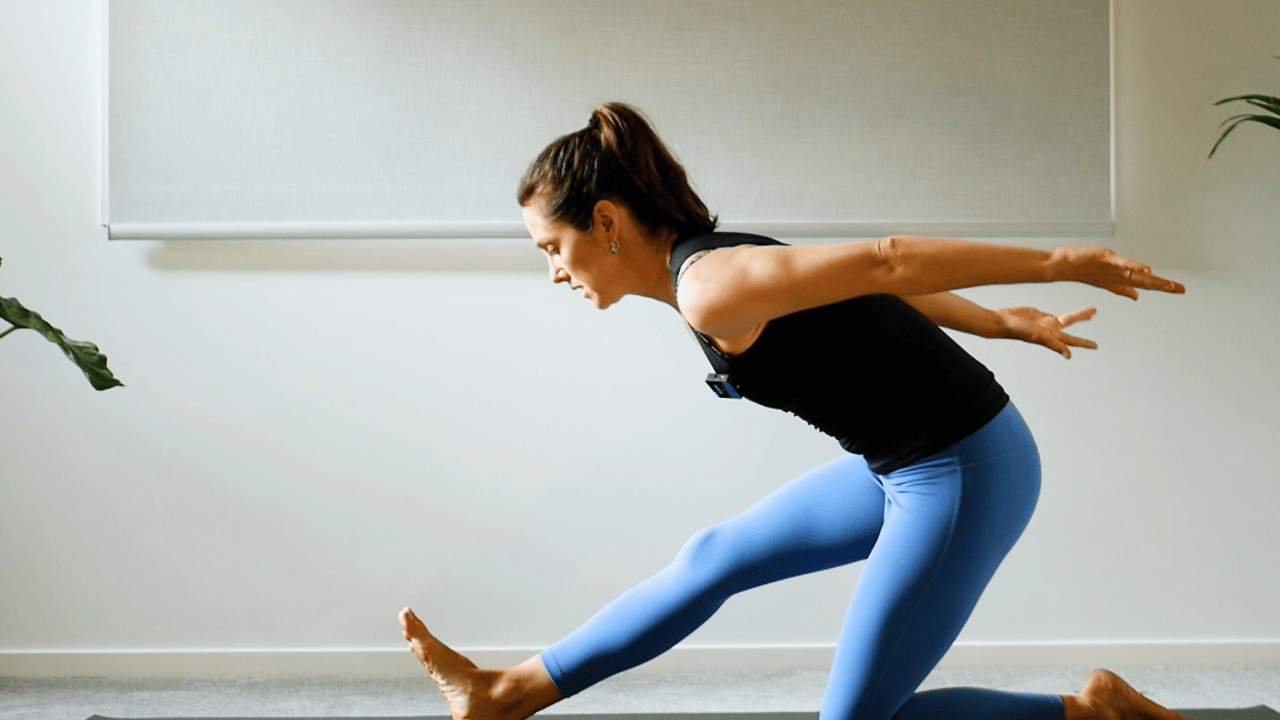
How Exercise During Pregnancy & Motherhood Protects Your Brain Long-Term
We all know staying active is one of the best things you can do for your changing body during pregnancy and motherhood. But exciting new research shows it's doing something even more powerful - protecting your brain health for decades to come.
A recent study from Victoria University has uncovered a surprising link between regular physical activity and a significantly lower risk of age-related cognitive decline.
The findings suggest that consistent movement may help build resilience in the brain and reduce the risk of dementia in later life.
Dr James Broatch, one of the researchers involved, emphasised that lifestyle habits including exercise, quality sleep, and good nutrition all play a crucial role in supporting long-term brain health.
The Brain's Overnight Cleaning System
At the centre of this research is the glymphatic system which your brain's natural waste-removal process that kicks in while you sleep. This system clears out toxins and metabolic waste that accumulate during the day.
According to Dr Broatch, exercise essentially works as a 'tune-up' for this important system.
By staying active, you may enhance your brain's ability to flush out waste during sleep, making the cleaning process more efficient.
This connection is especially relevant for women in their reproductive and midlife years.
The movement habits you build now, through pregnancy, postpartum recovery, and busy motherhood, can have lasting protective effects on your cognitive health.
Starting Small: Habits That Actually Stick
You don't need an intense gym routine to reap these benefits. Dr Broatch recommends focusing on consistency rather than perfection.
Simple daily habits can make a big difference:
1. Parking further away and walking the extra distance.
2. Taking the stairs instead of the lift.
3. Short movement breaks between tasks.
These small actions compound over time and become increasingly important as natural brain clearance systems gradually become less efficient with age.
Practical Movement Guidelines for Busy Mums
The World Health Organization recommends 150 minutes of moderate-intensity cardio per week, plus two resistance training sessions and some balance work.
While these targets can feel daunting, especially during pregnancy, remember that any movement is better than none. This is why our revolutionary PregActive 12 Complete Motherhood Journey program is what busy mamas wand and need.
For Pregactive women, this might look like:
1. Prenatal walks
2. Gentle strength training
3. Pregnancy-safe yoga or Pilates
4. Swimming or water-based movement
The most important thing is choosing activities you enjoy and can maintain long-term.
The Takeaway for Your Pregactive Journey
Your daily movement isn't just about staying strong through pregnancy or keeping up with your little ones - it's an investment in your future brain health.
Every step, stretch, and strength session is supporting both your body today and your mind for years to come.
The next time you head out for a walk or unroll your yoga mat, know that you’re doing something truly powerful for your long-term wellbeing.
Author