3 Best Stretches for Round Ligament Pain in Pregnancy – Fast Relief
Jun 22, 2026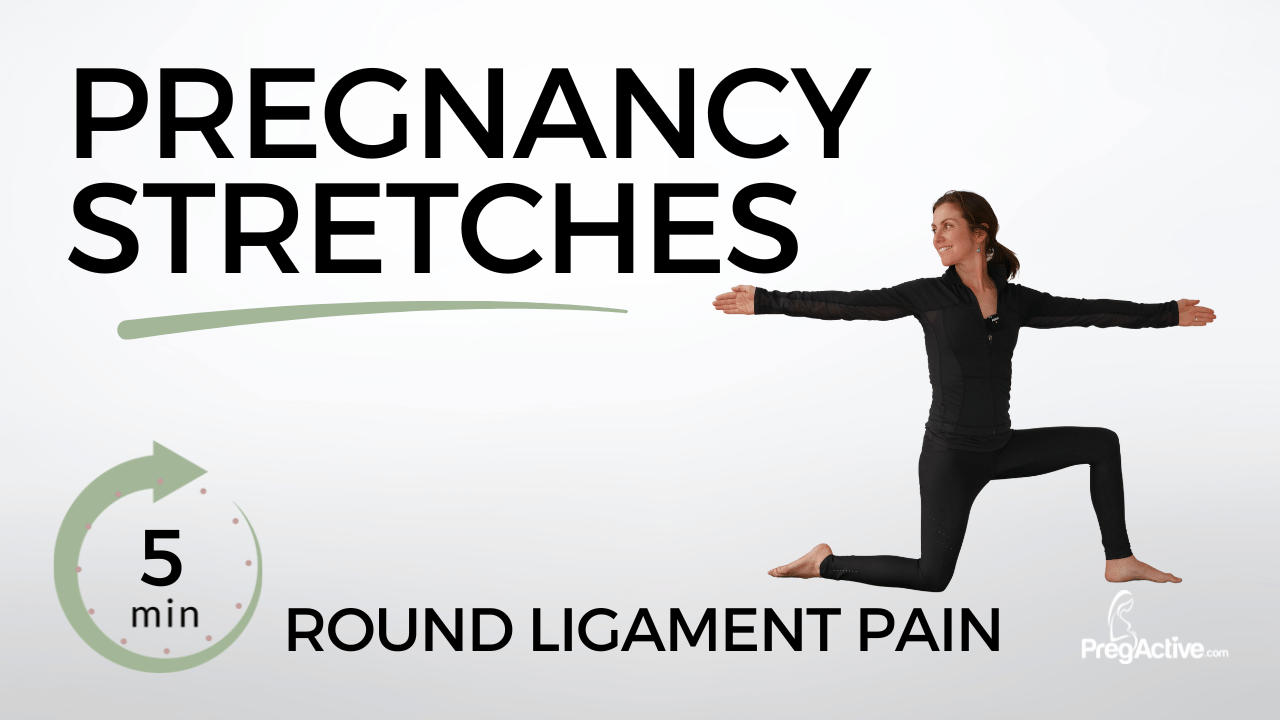
Best Stretches for Round Ligament Pain in Pregnancy - Fast Relief for Sharp Belly Pain
Round ligament pain is a common, normal part of pregnancy. It typically feels like a sharp, stabbing, or pulling sensation in the lower abdomen, groin, or one side of the belly. You may feel this in the second trimester as the uterus grows and the supporting round ligaments stretch.
Quick movements, coughing, sneezing, laughing, rolling over in bed, or standing up suddenly often trigger it.
Gentle stretches can loosen tight areas around the hips, pelvis, and lower abdomen, reduce tension on the ligaments, and provide fast relief while improving overall comfort and mobility.
The three best stretches for round ligament pain in pregnancy are Cat-Cow, the kneeling hip flexor stretch, and butterfly pose.
These are safe, doctor-recommended movements many expecting moms use for relief.
Always check with your healthcare provider before starting any new stretches or exercises during pregnancy. Stop if anything causes pain beyond a gentle stretch.
1. Cat-Cow Stretch (Best for Spinal Mobility and Gentle Ligament Release)
This flowing movement eases tension through the lower back, pelvis, and abdomen while gently mobilizing the round ligaments.
How to do it:
1. Start on your hands and knees with wrists under shoulders and knees under hips. Keep your back neutral.
2. Inhale as you drop your belly toward the floor, lift your head and tailbone slightly (Cow position), and gently arch your lower back.
3. Exhale as you round your spine upward, tuck your chin and tailbone, and draw your belly button gently toward your spine (Cat position).
4. Move slowly between the two positions for 5-10 breaths or about 1 minute. Repeat 2-3 sets if it feels good.
Tip: Move at a comfortable pace and avoid forcing the range of motion as your belly grows.
2. Kneeling Hip Flexor Stretch (Targets Tight Hip Flexors Linked to Round Ligament Tension)
Tight hip flexors can contribute to pulling sensations. This stretch lengthens the front of the hips and can ease related discomfort.
How to do it:
Kneel next to a chair or wall for support. Place one knee on the floor (use a cushion if needed) and the opposite foot forward in a half-kneeling or “proposal” position.
Keep the front knee roughly over the ankle.
2. Gently tuck your pelvis slightly under and shift your weight forward until you feel a stretch in the front of the hip on the kneeling side. Keep your torso upright—avoid excessive arching in the lower back.
3. Hold for 20-30 seconds while breathing steadily.
4. Switch sides and repeat. Do 2-3 rounds total.
Tip: Keep the stretch mild. You should feel lengthening, not sharp pain.
3. Butterfly Pose (Seated Adductor/Inner Thigh Stretch)
This opens the inner thighs and pelvic area, which often helps reduce groin-related round ligament sensations.
How to do it:
1. Sit upright on a firm surface or the floor with good posture. Bring the soles of your feet together and let your knees fall outward.
2. Hold your feet or ankles and gently pulse your knees up and down (like butterfly wings) or simply hold a comfortable position.
3. For a deeper stretch, lean forward slightly from the hips while keeping your back long. Hold for 20-30 seconds.
4. Repeat 2-3 times.
5. Tip: Place cushions under your knees if the stretch feels intense.
Bonus: Pelvic Tilts (Easy Everyday Option)
Many moms also benefit from pelvic tilts, which can be done on the floor or seated on a birth ball. Gently tilt your pelvis to flatten and then slightly arch your lower back in a controlled way. This supports mobility and can ease lower abdominal tension.
Additional Tips for Fast Round Ligament Pain Relief
- Support your belly with a maternity band or belly band during activity.
- Move slowly, especially when changing positions, getting out of bed, or standing up.
- Apply a warm (not hot) compress or take a warm bath for temporary comfort.
- Rest on your side with a pregnancy pillow between your knees and under your belly.
- Flex your hips or gently support your belly with your hands when you cough, sneeze, or laugh.
- Avoid sudden twists or jerky movements.
When to Contact Your Healthcare Provider.
Round ligament pain is usually harmless, but seek medical advice if you experience:
- Severe or constant pain that doesn't ease with rest
- Pain accompanied by bleeding, fever, chills, nausea, vomiting, or contractions
- Pain that feels different from your usual pattern
Frequently Asked Questions About Round Ligament Pain Stretches
What causes round ligament pain?
As the uterus grows, the round ligaments that support it stretch and can spasm, especially with sudden movements. It's most common in the second trimester.
How often should I do these stretches?
You can do them daily or whenever you feel tension building. Start with 1-2 short sessions and increase only if it feels comfortable.
Are these stretches safe in all trimesters?
They are generally suitable once cleared by your provider, but modifications may be needed as pregnancy progresses. Listen to your body and stop if anything feels wrong.
Can a belly band replace stretches?
A belly band offers excellent support during the day, but gentle movement and stretching usually provide the best combination of relief.
These three stretches - Cat-Cow, kneeling hip flexor, and butterfly pose, offer a simple, effective way to manage round ligament pain and stay more comfortable through pregnancy. Consistency with gentle movement, combined with smart support and slow transitions, helps many expecting parents reduce those sharp jolts and enjoy greater ease.
Best Stretches for Round Ligament Pain in Pregnancy Video
In this gentle 5-minute prenatal video, discover safe, effective ways to find relief! We'll guide you through easy stretches like the Cat-Cow, kneeling hip flexor stretch, butterfly pose, and pelvic tilts to loosen tight areas, reduce tension, and ease those sudden jolts triggered by quick movements, coughing, or rolling over.
Important Precautions
Stop any stretch that causes pain beyond a mild pull. Always consult your healthcare provider before beginning new exercises during pregnancy, especially if you have complications or are experiencing severe or persistent pain, bleeding, contractions, fever, or other concerning symptoms.
Round ligament pain is usually harmless and improves with time and smart movement strategies.
Many PregActive mamas find that a short daily routine of these three stretches, plus mindful transitions and belly support, makes a noticeable difference in comfort and mobility during the second trimester and beyond.
References
Round Ligament Pain: Causes, Treatment & Prevention - Cleveland Clinic
Round Ligament Pain Stretches for Pregnancy Relief - The Origin Way
Round Ligament Pain in Pregnancy: Causes and Exercises - Hinge Health
Article review: Article updated and reviewed by Kerryn Boyle on 23/10/2026
Author