C-Section Recovery: 4 Essential Steps to Reconnect with Your Core
May 04, 2026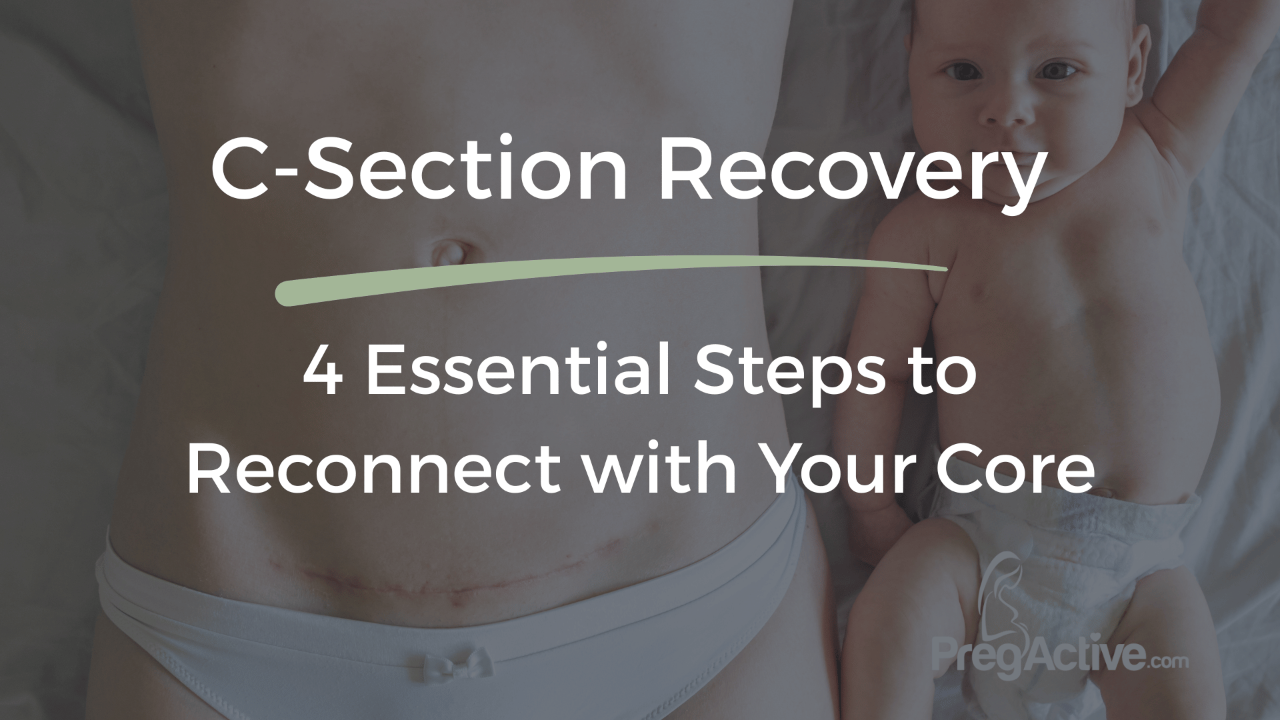
C-Section Recovery: 4 Essential Steps to Reconnect with Your Core
Recovering from a C-section is major abdominal surgery that cuts through seven layers of tissue, including your deep core muscles like the transverse abdominis (TVA).
This disrupts core function, often leading to weakness, diastasis recti (abdominal separation), poor posture, back pain, or a persistent "C-section pooch."
Reconnecting with your core postpartum is crucial for healing, supporting daily activities like lifting your baby, preventing pelvic floor issues, and building a strong foundation for future exercise.
Experts from pelvic floor therapists, ACOG guidelines, and postpartum recovery programs emphasize starting gently—often within the first week—while prioritizing rest, scar care, and proper breathing.
Full clearance for more intense activity usually comes at your 6-8 week postpartum checkup, but core reconnection can begin earlier with safe, low-pressure moves.
Always consult your doctor or a pelvic floor physical therapist first, especially if you have pain, infection signs, or complications. Stop any exercise causing discomfort, coning (bulging midline), or heaviness.
Here are 4 essential steps to reconnect with your core after a C-section—a progressive, evidence-based approach to rebuild safely and effectively.
Step 1: Prioritize Scar Care and Gentle Mobility (Weeks 1-2+)
Healing starts externally and internally. Proper scar management reduces adhesions that can limit core mobility and sensation.
Begin gentle scar massage around 3-4 weeks (or when cleared and incision is closed/no scabbing). Use clean fingers or a tool to apply light circular motions with lotion or oil.
Incorporate ankle pumps, shoulder rolls, and side-lying log rolls to get in/out of bed without straining your abs.
Walk short distances daily to promote circulation and lymphatic drainage.
Why it helps core reconnection: Reduces tightness around the incision, improves blood flow to healing tissues, and prevents compensatory patterns that weaken the core.
Step 2: Master Diaphragmatic Breathing for Deep Core Activation (Start Week 1)
Breathing is the foundation of post-C-section core recovery. Diaphragmatic (belly) breathing coordinates the diaphragm, pelvic floor, and TVA without pressure on your incision.
Lie on your back with knees bent (or side-lying if back-lying uncomfortable), hand on belly.
Inhale deeply through your nose—let belly and ribs expand (not chest).
Exhale slowly through mouth, gently draw navel toward spine (think "cinch a corset" or draw hip bones together).
Add gentle pelvic floor engagement on exhale (light Kegel—lift as if stopping urine/gas).
Practice 10-15 breaths, 3-5 times daily—even while feeding or resting.
Benefits: "Wakes up" dormant deep core muscles, improves oxygenation to the surgical site, and teaches pressure management to avoid coning or strain.
Step 3: Activate the Transverse Abdominis (TVA) with Gentle Contractions (Weeks 2-6+)
Once breathing feels natural, layer in targeted TVA activation—the deepest abdominal layer key for stability after surgery.
In supine, seated, or standing position: Exhale and gently draw lower belly in/up (navel to spine) without tilting pelvis or holding breath.
Combine with pelvic tilts: On back or all fours, exhale to flatten lower back slightly by tilting pelvis.
Progress to heel slides: Slide one heel out straight while maintaining gentle TVA hold, then return.
Perform 8-12 reps, 2-3 sets daily.
Why essential: Surgery severs TVA connections; these moves rebuild neuromuscular control, support the scar, and prevent doming during daily tasks.
Step 4: Integrate Functional Core Movements and Progress Strength (Weeks 6+)
After your 6-8 week clearance, add coordinated exercises linking breath, TVA, pelvic floor, and glutes.
Modified bridges: Exhale, engage core, lift hips slightly (keep low—no arching).
Bird dog (quadruped): Extend opposite arm/leg while holding core stable.
Seated marches or supine marches: Alternate knee lifts with core engaged.
Avoid traditional crunches, planks, or twisting until fully healed (often 3-6+ months).
Tips for progress: Start 10-15 minute sessions 3-5 days/week. Monitor for pain or bulging—modify or regress if needed. Pair with pelvic floor work for complete support.
Final Tips for Successful C-Section Core Recovery
Be patient: Full core strength may take 6-12+ months; consistency beats intensity.
Avoid straining: Use log rolls, don't lift heavier than baby initially, manage constipation.
Seek pro help: A pelvic floor PT can assess diastasis, teach biofeedback, and personalize your plan.
Celebrate progress: Gentle reconnection reduces pain, boosts energy, and empowers your postpartum journey.
Reconnecting with your core after a C-section isn't about rushing back—it's about smart, gentle rebuilding. Follow these 4 steps, listen to your body, and honor the incredible work your body has done. You're stronger than you know, mama!
Author